


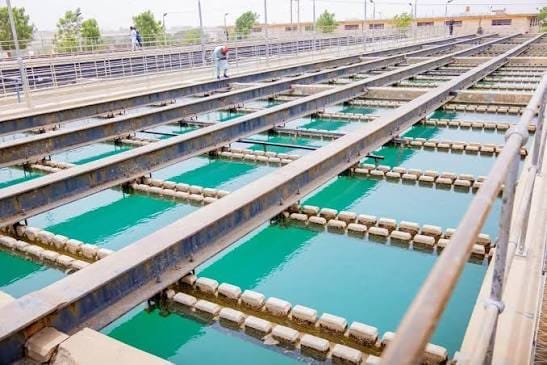
The Federal Government has approved a landmark $1.295 billion Public Private Partnership (PPP) proposal by Al Qaryah Agro Allied Ltd to convert the Challawa Gorge Dam in Kano into Nigeria’s flagship agro industrial hub. The approval was conveyed in a letter from the Hadejia Jama’are River Basin Development Authority, dated August 18, 2026, and signed by Faiza Sani Iliyasu on behalf of the Managing Director.
The Authority said it was satisfied with the environmental and technical sustainability of the plan and expressed readiness to grant concession of the dam for agricultural and aquaculture activities. Under the concession, Al Qaryah Agro Allied Ltd will develop, operate and manage modern farming systems including cage aquaculture, aquaponics, hydroponics, floating agriculture, integrated rice fish farming, duck farming, aquatic plant cultivation, and floodplain irrigation.
The development builds on the earlier presentation of the proposal by the company’s Chief Executive Officer, Abubakar M. Nagwamatse, who explained that the initiative seeks to deploy aquaculture and floating agriculture methods already in use across Asia to maximise the dam’s underutilised water body. “We plan to introduce crop production on water surfaces, alongside aquaculture and irrigation farming. This project will create at least 10,000 jobs and significantly boost food supply, which in turn will lower prices and open export opportunities,” he said.
The project is multi-dimensional, integrating deep water cage aquaculture, aquaponics, hydroponics, rice fish farming, duck farming, aquatic plant cultivation, floodplain irrigation, and land-based infrastructure such as a 150,000 metric tonne per year feed mill and a 50 million fry hatchery. He stressed that the investment aligns with Nigeria’s national food security goals, the Special Agro Industrial Processing Zones programme, and the Komadugu Yobe Basin SAP.
The winners: Al Qaryah Agro Allied Ltd, which has secured the concession; and the Nigerian economy, which benefits from investment and job creation. The losers: the Nigerian government, which must ensure the project is delivered; and the Nigerian public, who must wait for the benefits.
Bottom Line: A $1.3 billion project is set to transform the Kano dam into an agro-industrial hub. 10,000 jobs are promised. The question is whether the project will be delivered or remain on paper.