


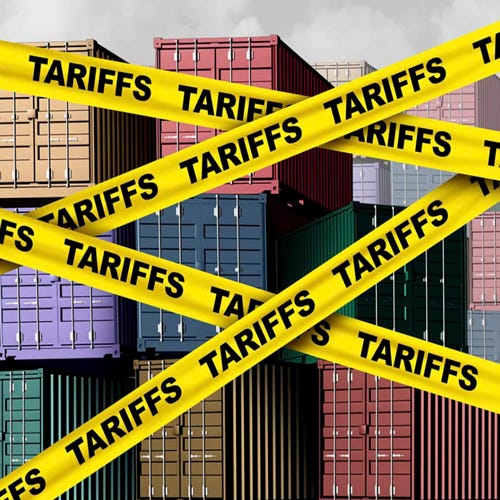
The Federal Government approved and initiated the immediate implementation of the 2026 Fiscal Policy Measures and Tariff Amendments. Designed to strengthen trade competitiveness and encourage local industrial production, the new framework adjusts import tariffs on essential capital goods while widening domestic tax revenue generation.
The tariff amendments are part of the government’s broader strategy to support industrialisation and reduce the country’s dependence on imports. The adjustment of tariffs on essential capital goods is intended to reduce the cost of production for manufacturers, while the widening of the tax base is expected to generate additional revenue for the government.
This echoes the 2019 fiscal policy measures, which also sought to support industrialisation. The mechanism then was different, but the result was the same: a government using fiscal policy to promote local production.
The winners: Nigerian manufacturers, who will benefit from lower tariffs on capital goods; and the Nigerian economy, which gains from industrialisation. The losers: importers of finished goods, who face higher tariffs; and the Nigerian public, who may face higher prices.
Bottom Line: Nigeria has implemented new fiscal measures and tariff amendments. The goal is to boost local industry and widen revenue. The question is whether the measures will achieve their objectives.