


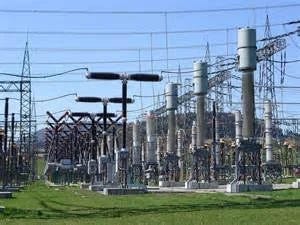
Fenchurch Group has begun reconstructing the 26-megawatt Akute Independent Power Plant to supply dedicated electricity to major Lagos waterworks. Site work started on 26 September with the decommissioning of the plant’s legacy engines, which are being replaced with new MWM gas engines. The plant will supply the Akute Intake, Iju and Adiyan waterworks, with surplus electricity exported to Ikeja Electric’s network.
Fenchurch Power Limited is developing the project, while Aggregate Utilities Limited, its special purpose vehicle, holds the concession under an agreement with the Lagos State Government. Zenith Bank is financing the project. The facilities dependent on the Akute plant are expected to support about 185 million gallons per day of water production after the completion of Adiyan Phase II, strengthening supply to an estimated four to six million residents.
Lagos Commissioner for Energy and Mineral Resources Biodun Ogunleye said the 26MW capacity reflects the peak electricity requirement of the water infrastructure. He noted the Akute site could eventually accommodate between 100MW and 200MW. “It is 26 we are saying now, because 26 is your peak load,” Ogunleye said. “That location can ultimately scale up to 100, to 200. It just depends on our vision and our dream.”
Fenchurch plans to deliver the plant in phases, with 10MW expected within four months and the remaining 16MW within 12 months. Live commissioning is targeted for the first quarter of 2027. Ogunleye warned against delays, saying contracts with service providers were now strictly performance-based. The Akute plant had been dormant for five years before Lagos State concessioned it to Fenchurch for rehabilitation and upgrade.
Group CEO Olufemi Bakare said the project demonstrated what effective public-private partnership could deliver. “Water needs power,” Bakare said. “Lagos State has invested significantly in its water infrastructure, and our mandate is to keep it running reliably, around the clock.”
This mirrors the broader challenge of infrastructure interdependence in Lagos and across Nigeria. Water treatment and distribution require reliable electricity. The national grid has struggled to provide it. Dedicated power plants for critical infrastructure offer a workaround, but they shift the burden of energy provision from the grid to specific public-private arrangements.
Winners and Losers
Winners: Fenchurch Group, which gains a long-term concession and a revenue stream from power sales. Lagos Water Corporation, which gains dedicated power for its waterworks. Four to six million Lagos residents, who stand to benefit from improved water supply.
Losers: Ikeja Electric, which cedes a segment of generation and distribution to a private operator. Lagos residents outside the Akute, Iju and Adiyan catchment areas, who remain dependent on the national grid. Taxpayers, who fund the state’s water infrastructure investments while private operators capture the operational returns.
Bottom Line: Water and power are inseparable. Lagos has found a way to connect them through private capital. The model works where the economics are viable. The question is whether it can be replicated at scale.