


The Female Drivers Association of Nigeria has called for inclusivity and CNG support. The association says its members are struggling with the fuel crisis. None has benefited from the government’s conversion programme. The founder and president, Eunice Odeghe, disclosed this in an interview on Wednesday in Abuja.
The federal government launched the Presidential CNG Initiative in 2023. The goal was to reduce transport costs. Conversion centres and refuelling stations have expanded. But access remains uneven. Commercial drivers, especially women, have struggled to benefit. In 2024, the government announced free conversions for commercial vehicles. The programme faced logistical delays. Many drivers still pay for fuel at market rates.
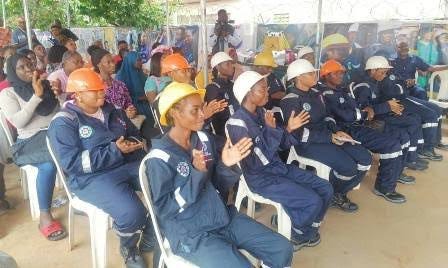
Odeghe said CNG is a welcome alternative but her members have been excluded. “It has not been easy. Sometimes, you buy fuel for ₦30,000 and it gives you just a few litres,” she said. “You travel long distances and may get only two passengers, paying less than ₦1,000. You cannot make ends meet.” She urged the government to include women in the conversion programme. “We are ready to be trained, and we are ready to have our cars converted. A few of us have converted ours independently.”
She called for more CNG stations. Drivers queue for up to six hours to refill. “For someone using it for business, spending a whole day in a queue is not encouraging,” she said. She said the recent fare reduction at NNPC stations was good in principle but poorly implemented.
She also said the association has trained about 200 women as professional drivers. It has branches in several states. It claims about one million members nationwide. It works with the Federal Road Safety Corps and anti-trafficking groups. Odeghe called for more women at decision-making levels in transport. She urged the government to provide vehicles on loan at reasonable rates.
Winners: Women drivers, if the conversion programme expands. The government, if it demonstrates inclusion. The CNG initiative, if it reaches more users. The transport sector, if female participation grows. Losers: Women drivers currently excluded. The government, if the programme remains inaccessible. Petrol marketers, who lose business. The CNG initiative, if it is seen as elitist. Queues, which waste productive hours.
Bottom Line: Women drivers want CNG. They have not been included. They queue for hours. They pay too much for fuel. They have trained 200 drivers. They want support. The government must deliver. Conversion is not just a fuel issue. It is a gender inclusion issue.