


Dior has unveiled its 2027 Lady Dior campaign starring Rihanna and her one-year-old daughter, Rocki Irish Mayers. The accompanying film, directed by Melina Matsoukas, is set to Fela Kuti’s 1972 track “Lady,” from the Shakara album. The campaign launched on Instagram on Thursday. It follows the use of Fela’s “Gentleman” as the soundtrack for the upcoming Hollywood film The Thomas Crown Affair, due in March 2027.
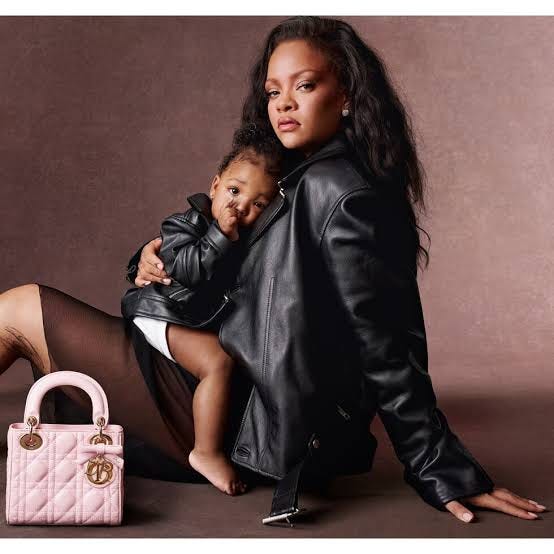
The mechanics of a sync licence are where the money and the meaning sit. Fela’s catalogue is controlled by his estate, and a Dior campaign reaches a global luxury audience that would never stream Afrobeat on its own. The choice of “Lady” is not incidental. The song challenges Western perceptions of womanhood, contrasting the traditional African woman with a Westernised “lady” who rejects being addressed simply as a woman. Dior is using that critique to sell a handbag. The irony is available to anyone who wants it.
This echoes the longer history of Nigerian music being sampled, synced and repackaged for Western markets, from the Fela reissues of the 2000s to the Burna Boy features of the 2020s. It also mirrors the broader question of who captures the value when African cultural property enters global commerce.
The winners are Dior, which gains a culturally resonant soundtrack, and Rihanna, who gains a campaign built around her motherhood. The losers are the Nigerian listeners who will hear “Lady” in a luxury advert and know that the estate’s cut is a licensing fee, not a royalty on the bags.
Bottom Line: Fela wrote “Lady” to critique the colonial imitation of womanhood. Dior is now using it to sell the bag.