


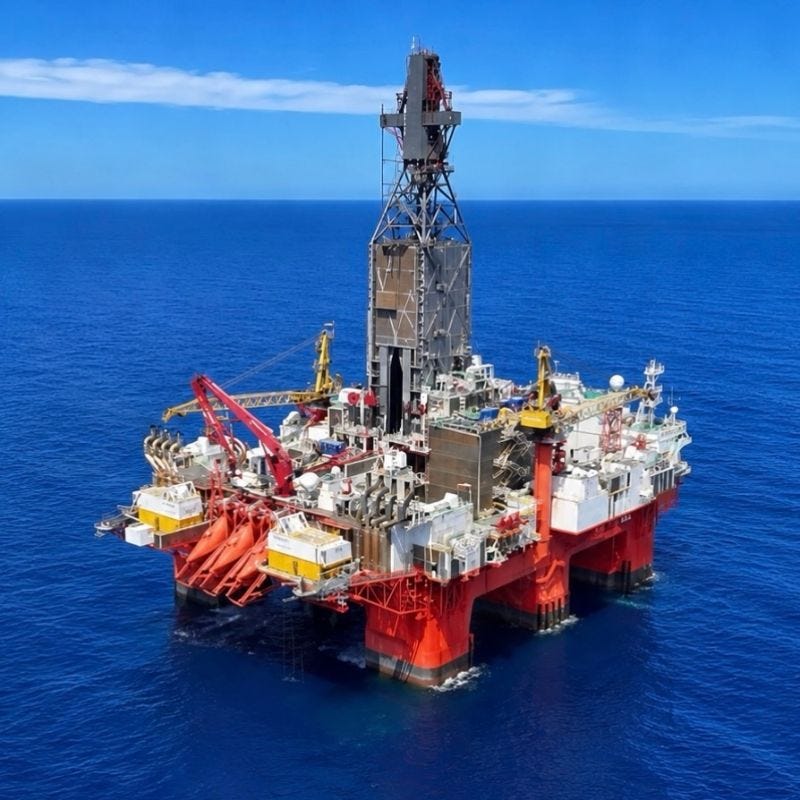
ExxonMobil’s Nigerian affiliate moved an ultra-deepwater drillship to the Usan field in OML 138 to launch an infill drilling campaign designed to boost crude production by 40,000 barrels per day. The campaign, which involves drilling additional wells into existing reservoirs, is a standard practice in mature offshore fields to arrest production decline and maximise recovery.
The Usan field, located in the Niger Delta, has been in production since 2012 and has seen natural declines in output over the years. The infill drilling campaign is expected to reverse some of that decline, adding significant volumes to Nigeria’s overall production. The move comes as Nigeria is seeking to increase its crude oil output to meet its OPEC quota and generate much-needed foreign exchange.
The success of the campaign will depend on the quality of the reservoir and the efficiency of the drilling operations. If successful, the additional 40,000 barrels per day could provide a significant boost to Nigeria’s oil revenues. For a country struggling with fiscal deficits, every additional barrel of oil matters.
This echoes the 2020 infill drilling campaigns in other Nigerian offshore fields, which also sought to arrest production decline. The mechanism then was different, but the result was the same: a focus on maximising recovery from existing assets.
The winners: ExxonMobil, which will benefit from increased production; and the Nigerian government, which will earn additional oil revenues. The losers: the Nigerian environment, which faces increased drilling activity; and the Nigerian public, who may not see the benefits of the increased production.
Bottom Line: ExxonMobil is drilling to boost output by 40,000 bpd. Every barrel counts. The question is whether the campaign will deliver the expected gains or fall short.