


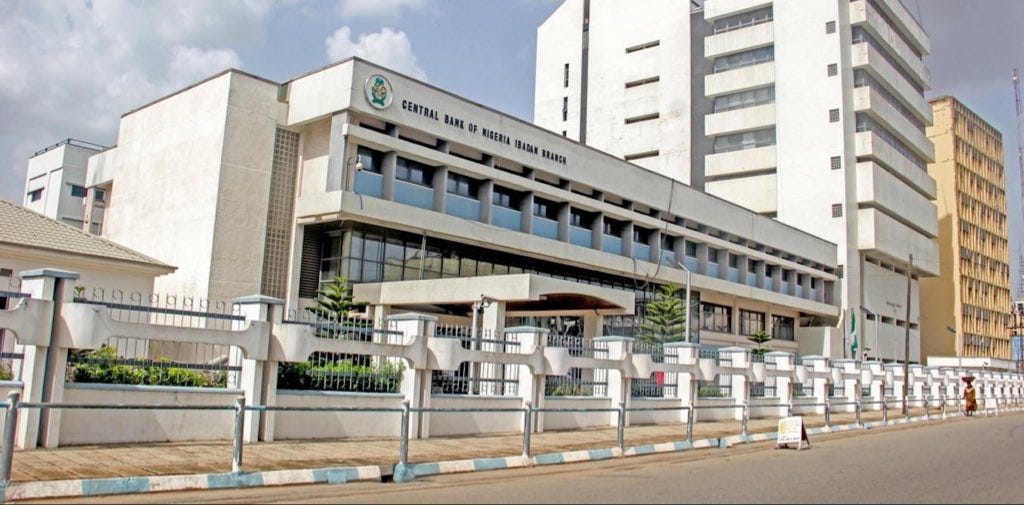
The Central Bank of Nigeria (CBN) disclosed that national external reserves surged past $52.5 billion—the highest level recorded in 17 years. Apex bank officials attributed the sustained reserve growth to heightened foreign portfolio investments, improved diaspora remittances, and foreign exchange market stabilisation.
The reserves build-up is a significant achievement for the CBN. The highest level in 17 years suggests that the central bank’s policies are working. The growth in foreign portfolio investments and diaspora remittances reflects growing confidence in the Nigerian economy. However, for a minimum-wage earner in Kano, this figure means little if it does not translate into lower prices or better public services.
This echoes the 2009 reserves peak, which was also followed by a period of stability. The mechanism then was different, but the result was the same: a period of relative strength for the naira.
The winners: the CBN, which has managed reserves well; and the Nigerian economy, which benefits from a stronger reserves position. The losers: the Nigerian public, who have yet to feel the benefits; and the government, which must ensure the reserves are used wisely.
Bottom Line: Nigeria’s reserves have hit $52.5 billion—a 17-year high. The economy is stabilising. The question is whether the stability will translate into tangible benefits for ordinary Nigerians.