


The Enugu State Government has secured approximately $200 million in foreign and domestic investment. That is nearly ₦300 billion. The funds will develop a 100-megawatt solar power project. The deal was finalised after discussions between Governor Peter Mbah and Eauxwell Nigeria Limited. The project targets reliable electricity for small businesses and residential households.
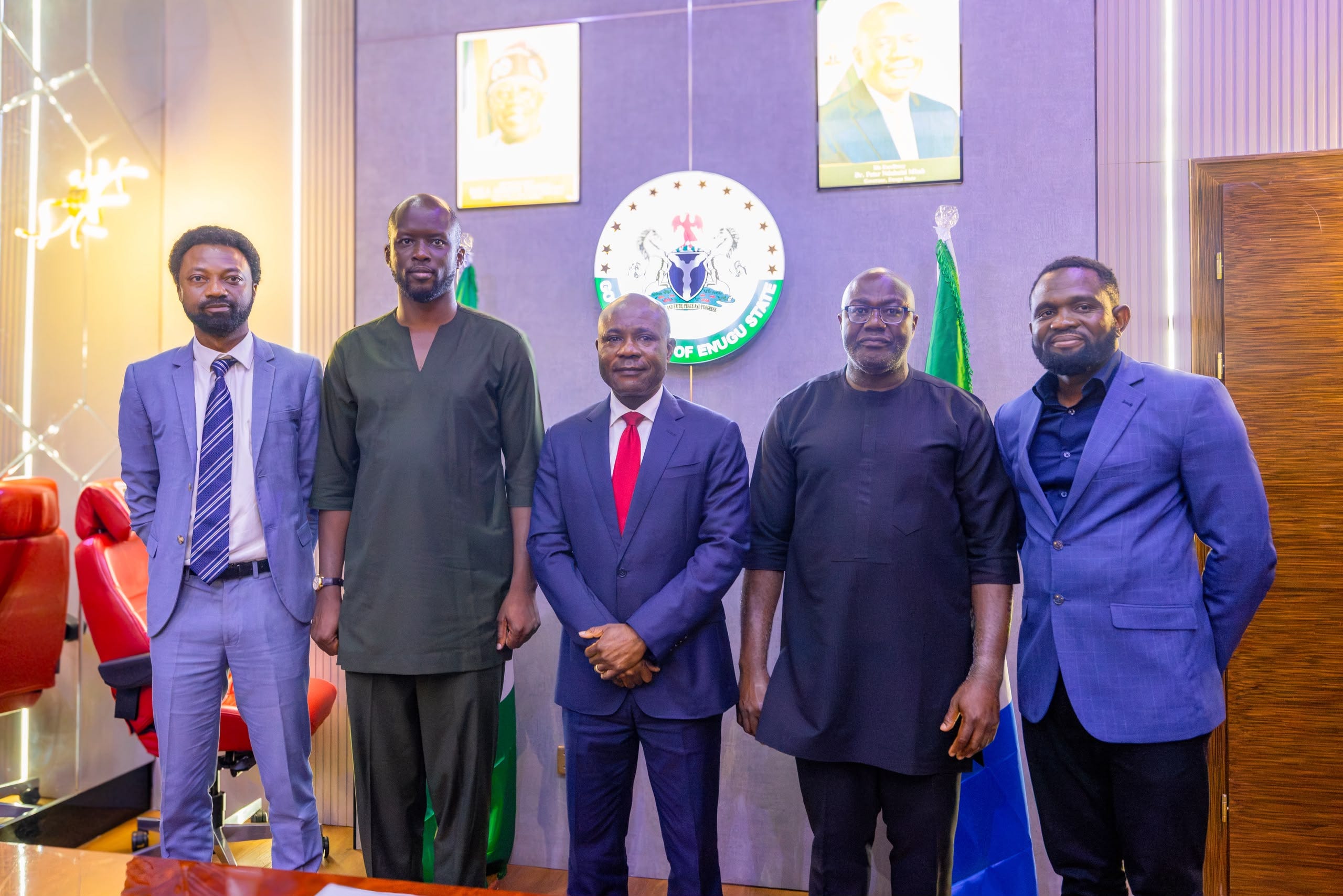
Enugu has assumed regulatory oversight of its intrastate electricity market. The state established the Enugu State Electricity Regulatory Commission. Power supply in Nigeria remains unreliable. The grid delivers about 4,000 megawatts for over 220 million people. States are pursuing independent power projects. Distributed solar generation with battery storage offers reliable power. It also supports clean-energy ambitions.
Mbah said the state wanted an electricity market that encourages competition and benefits consumers. He called for a shorter implementation timeframe. He pledged to remove bureaucratic bottlenecks. He said tariff assumptions needed review. “Cost recovery is important, but we must also ensure that the tariff is affordable to our people and businesses,” he said.
The Managing Director of Eauxwell Nigeria Limited, Edwin Enwegbara, said the final tariff would be determined with regulators. The proposed 100MW programme would deploy distributed solar generation with battery storage. It would support agricultural processing, small businesses and other enterprises. The meeting also addressed the Aninri electrification project. Mbah requested a meeting with community leaders to resolve land issues.
The investment is significant. It moves Enugu toward energy independence. It reduces dependence on the national grid. It supports industrialisation. The state must deliver on time and at an affordable tariff.
Winners: Enugu residents, who gain power. Businesses, which gain reliable electricity. Eauxwell, which wins the contract. The Mbah administration, which shows delivery. Losers: The national grid, which loses revenue. Diesel suppliers, who lose business. Competing solar firms. Taxpayers, if tariffs rise without value.
Bottom Line: Enugu secured $200 million. The project targets 100MW. It will power homes and businesses. The tariff must be affordable. Delivery is the test.