


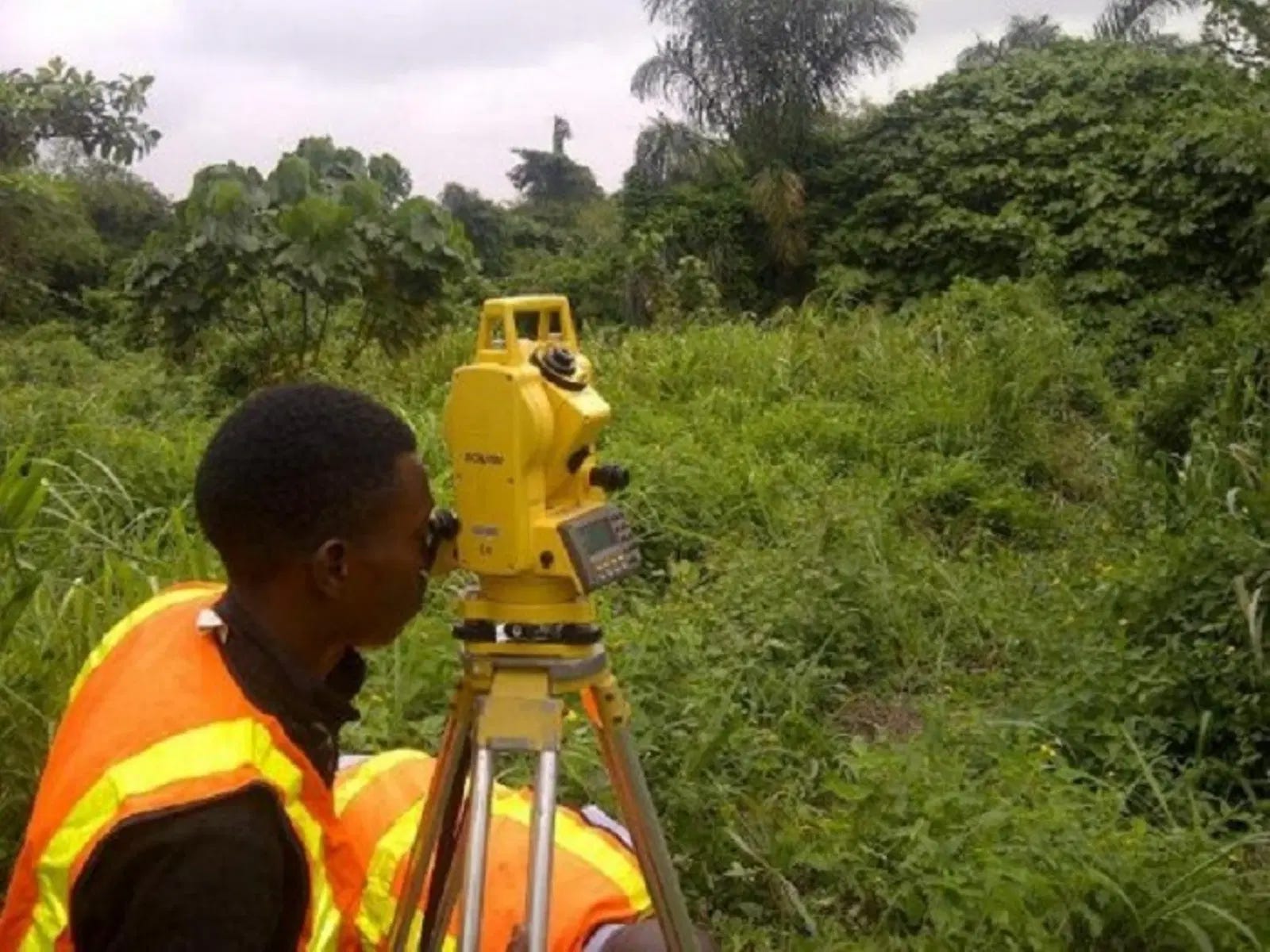
The Enugu State Government has commenced a Continuous Survey Revalidation and Digitisation Exercise as part of the ongoing Survey Records Digitisation Programme, aimed at establishing a fully digital, transparent and verifiable land administration system in the state. The exercise, according to the government, is a key component of the digital transformation of the state’s land and survey records system and is designed to protect property rights, eliminate disputes arising from lost or defective records, and strengthen public confidence in land administration.
The government, in a statement signed by the Secretary to the State Government, Prof Chidiebere Onyia, said the exercise was intended to ensure that land records in the state are properly verified, digitally captured and geographically mapped. The statement said the participation of all landowners, estate developers, surveyors and property owners was required to ensure the accuracy and completion of the process. Affected persons are required to submit their Survey Plans, Layout Approvals and related land documents for verification and revalidation, digital identity creation and geospatial mapping, as well as the issuance of Digital Land Identity Cards.
To make the exercise faster, easier and more accessible, the government has designated six revalidation centres across the state, including the Office of the Surveyor General, Enugu State Housing Development Corporation Headquarters, Enugu Geographic Information System Headquarters, Enugu State Ministry of Housing, Nsukka Local Government Area Secretariat and Enugu East Local Government Area Secretariat.
The digitisation of survey records is a significant step towards modernising land administration in Enugu State. Land disputes are a major source of conflict in Nigeria, and the lack of reliable records often makes it difficult to resolve them. The digitisation exercise could reduce disputes, attract investment and improve the ease of doing business in the state.
This echoes the 2010s land administration reforms in Lagos State, which also sought to digitise records and improve transparency. The mechanism then was different, but the result was the same: a recognition that land administration must be modernised.
The winners: Enugu landowners, who will have secure and verifiable records; and the Enugu State Government, which will have a more efficient land administration system. The losers: the Nigerian government, which must ensure that the system is sustainable; and the Nigerian public, who must wait for the benefits to materialise.
Bottom Line: Enugu is digitising its survey records. The goal is to end land disputes. The question is whether the exercise will be completed successfully or become another abandoned government project.