


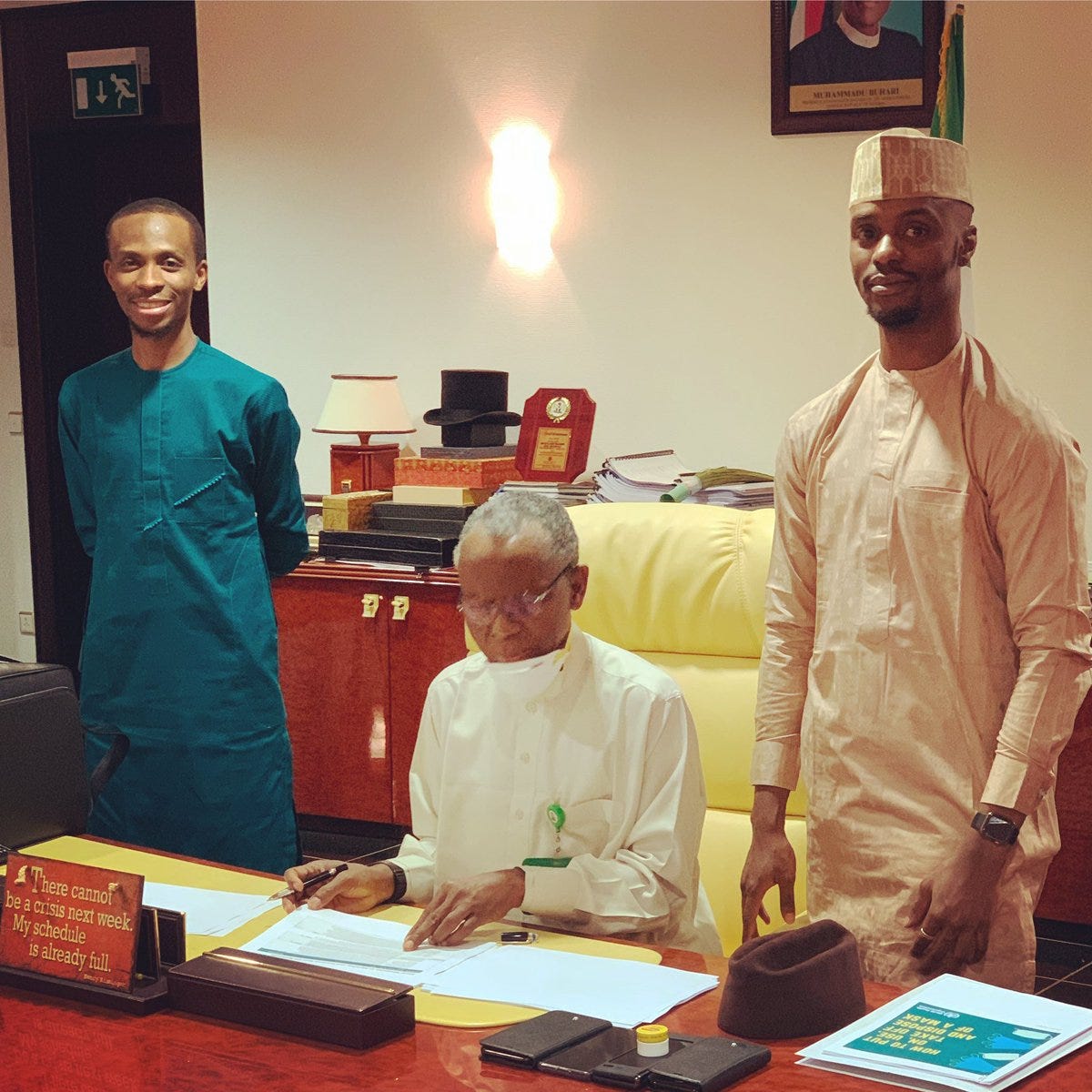
For years, the sons of former Kaduna State governor Nasir El-Rufai used X as a digital bludgeon against critics, political rivals and media personalities. Mohammed Bello El-Rufai, a federal lawmaker, and his vocal brother Bashir closed ranks to launch vulgar counter-offensives against anyone who questioned their family. In late August 2026, the weapons turned inward.
What erupted across Nigerian timelines was not an ideological debate but an explosive, fratricidal meltdown. The feud broke out when Bashir unleashed a barrage of posts directly targeting his older brother. In language devoid of fraternal courtesy, Bashir accused the lawmaker of rank hypocrisy, political betrayal and severe personal vices.
In one of the most widely shared posts, Bashir wrote: “I have a useless excuse for a brother, with his bony-ass face coated with an unknown white substance around his nostrils every night. That is your Member of the House of Representatives, representing a whole constituency, but he prefers alcohol and cocaine.”
When followers urged him to settle family grievances in private, Bashir doubled down, asserting that his brother was running on a “diet of cocaine and whiskey” and warning him to “stay the f** away from my affairs.” He escalated further with intensely private allegations regarding Bello’s domestic life before deleting portions as the backlash intensified.
Beneath the insults lies a bitter dispute over political survival. The catalyst traces back to the acrimonious fallout between their father, Nasir El-Rufai, and his handpicked successor, Kaduna State Governor Uba Sani. When the elder El-Rufai fell out with Sani following the 2023 elections, Bashir assumed the role of an online attack dog, relentlessly criticising Sani’s administration. Bello, however, took a calculated approach. Holding a federal legislative seat, he chose to preserve his alliance with Governor Sani.
While Nasir El-Rufai resigned from the APC in March 2025 to join the ADC, Bello remained in the ruling party for over a year. It was only on May 7, 2026—after his political standing within Kaduna APC deteriorated—that Bello defected to the ADC to secure his 2027 re-election ticket. To Bashir, this delayed switch was unpardonable opportunism.
“Stuck with Uba Sani until he realised he is being dumped, then suddenly remembered family loyalty and moved to ADC,” Bashir wrote. “Where was he since? Purely serving his interest.”
The public implosion cannot be decoupled from the broader pressures encircling the family patriarch. Nasir El-Rufai has spent months in custody facing an amended nine-count charge from the ICPC over alleged financial misconduct, alongside separate legal proceedings from the DSS. With their father detained and the family’s political machinery displaced, the domestic unity that once held the El-Rufai camp together has shattered. Rather than rallying in disciplined solidarity, the brothers’ open hostility reflects a scramble for relevance under immense political strain.
This is not the first time the El-Rufai brothers have made headlines for their online aggression. In December 2025, Bello had declared on X that he was “the next El-Rufai after Mallam” while threatening to drag a critic “like a dirty generator.” The same unfiltered aggression they once deployed against critics has now been turned on their own bloodline.
When the family patriarch falls, the sons stop pretending to like each other. The digital armour they once wore as a shield against the world has become the weapon of their mutual destruction.
The winners: Governor Uba Sani, who has been vindicated; and the critics of the El-Rufai family, who have watched the dynasty self-destruct. The losers: the El-Rufai brothers, whose public feud has damaged their reputations; the family patriarch, who must watch his sons tear each other apart; and the Nigerian public, who are left to wonder what else is hidden behind the closed doors of the political elite.
Bottom Line: The El-Rufai brothers have turned on each other in a public meltdown. The dynasty is under pressure. The question is whether the family can recover or the fracture is permanent.