


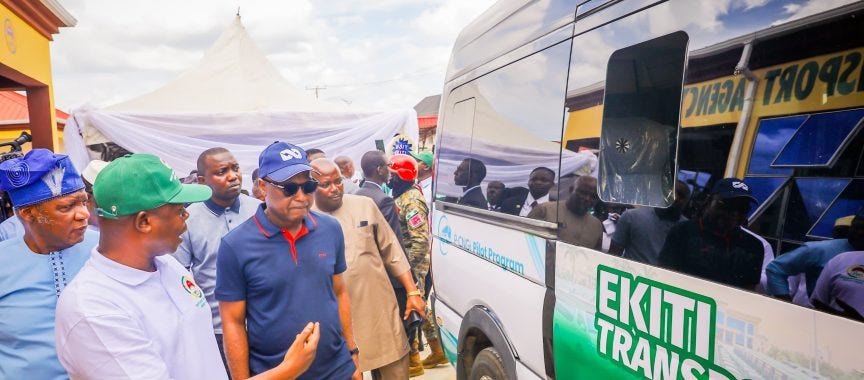
Ekiti State has begun rolling out Compressed Natural Gas (CNG) buses. The buses will serve major municipal routes. The state targets a 50% reduction in daily commuting costs. The initiative aims to buffer households against rising transport inflation.
Transport costs have risen sharply since the petrol subsidy was removed in 2023. Fares doubled in many states. The federal government launched the Presidential CNG Initiative to provide cheaper fuel. Several states have adopted CNG buses. Lagos and Abuja have pilot programmes. Ekiti is the latest. The state is small. Its routes are short. CNG is well-suited to municipal transport.
The buses will operate on major routes. Fares will be lower than petrol-powered alternatives. The state government subsidises the difference or benefits from cheaper fuel. CNG costs less per kilometre than petrol. The savings are passed to commuters. The target is a 50% reduction. That is significant. A worker spending ₦2,000 daily on transport would spend ₦1,000. The extra ₦1,000 goes to food, school fees or savings.
The rollout faces challenges. CNG stations are scarce. The state must build refuelling infrastructure. Maintenance requires trained technicians. The buses cost more upfront. The savings come over time. Ekiti’s fiscal capacity is limited. The state depends on federal allocations. Sustaining the programme requires funding.
Winners: Commuters, who gain cheaper transport. The state government, which gains goodwill. CNG suppliers, who gain a market. Losers: Petrol bus operators, who face competition. The state, if maintenance costs rise. Taxpayers, if subsidies are needed.
Bottom Line: Ekiti launched CNG buses. The target is 50% cheaper fares. Commuters need relief. The programme must be sustained. Infrastructure is the test.