


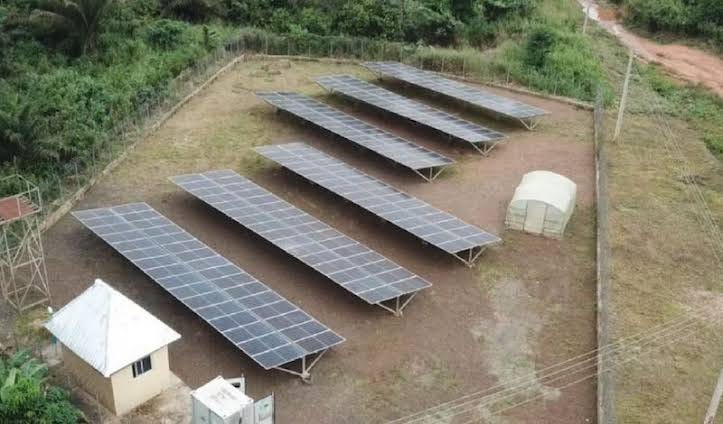
The Edo State Government has intensified efforts to expand electricity access and unlock private sector investment in the power sector with the issuance of a 7-megawatt (MW) mini-grid electricity licence to indigenous renewable energy company IZENERGY Limited. The licence, presented by Commissioner for Power, Hon. Paul Usenbo, in Benin City, marks another milestone in the state’s electricity market reforms aimed at improving power supply, accelerating rural electrification and supporting industrial growth through renewable energy .
Usenbo said IZENERGY satisfied the financial and technical requirements stipulated under the Edo State Electricity Law 2025 (as amended), qualifying the company to generate and distribute electricity across designated communities in Edo South, Edo Central and Edo North. He disclosed that the state undertook extensive feasibility studies across its three senatorial districts and 18 local government areas before approving the project, describing the initiative as part of a broader strategy to achieve energy sufficiency through a mix of national grid supply, independent power generation and renewable energy solutions .
According to the commissioner, the state is also advancing plans to establish independent power projects of about 100MW in each of the three senatorial districts, while the licensing process for the Edo North Electricity Company is nearing completion . He noted that the reforms, driven by the Electricity Act 2023 and the Edo State Electricity Law, are designed to decentralise electricity generation and distribution, create an enabling environment for private investment and deliver reliable and affordable power to households and businesses . “Edo State is open for business. We are creating an enabling environment through policies and reforms that will attract investors and guarantee sufficient, reliable and efficient power supply for our people,” Usenbo said.
The Chief Executive Officer of IZENERGY Limited, Aibangbee Blessing, said the Edo-based company would deploy solar-powered mini-grid systems to provide affordable electricity to homes, hotels, industries and commercial establishments, adding that the project is expected to commence operations within four to five months. Blessing said construction activities had already begun during the licensing process and disclosed that the first phase would generate 1MW of electricity, with the capacity to supply between 500 and 1,000 households, while the full 7MW project would significantly improve electricity access across beneficiary communities. The company’s Director of Technicals, Engr. Charles Igabor, identified land acquisition and infrastructure protection as key implementation challenges but expressed confidence that active collaboration with host communities would ensure the long-term sustainability and success of the renewable energy project .
The project builds on Edo State’s broader rural electrification programme, which has already connected several communities in Edo Central Senatorial District to the national grid, including Ibore, Atuagbo, Ugbaro and Ikilor, where electricity flowed into the village for the first time in its history. The state’s electricity law, signed by Governor Monday Okpebholo, deregulates the sector and provides a legal framework for private-sector participation.
This mirrors the 2010s renewable energy push in Nigeria, which saw several states attempt to develop mini-grid projects but struggle with regulatory and financial constraints. The difference is that Edo has established a legal and institutional framework to support private sector participation. The question is whether other states will follow.
The winners: Edo residents and businesses, who will benefit from improved electricity access; IZENERGY, which has secured a licence to operate; and the Edo State Government, which has demonstrated leadership in energy reform. The losers: communities that remain without electricity; and the national grid, which faces competition from decentralised power solutions.
Bottom Line: Edo has licensed a 7MW mini-grid project. The state is moving towards energy independence. The question is whether the project will be delivered on time or join the long list of power projects that remain on paper.