


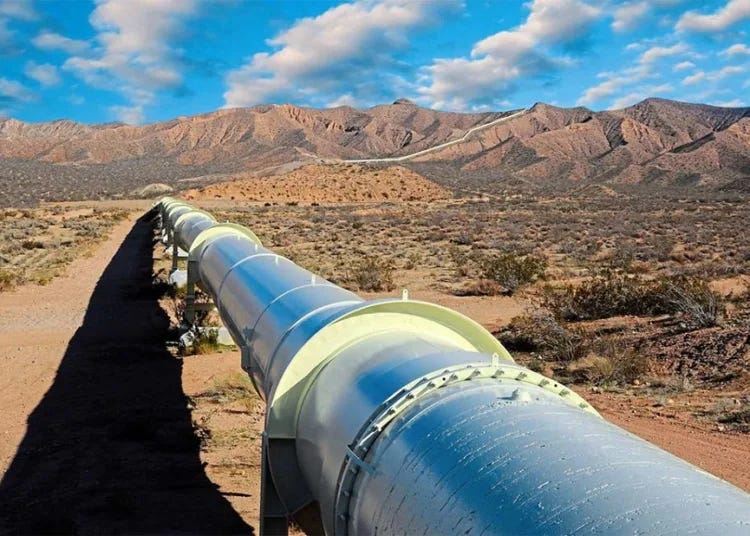
At the 69th ECOWAS summit in Freetown, West African leaders formally signed the Intergovernmental Agreement for the African Atlantic Gas Pipeline. The ambitious 6,000-kilometre project, estimated at $25 billion, will transport Nigerian natural gas across 14 West African coastal countries to Morocco before connecting with Europe’s energy grid. Designed to deliver up to 30 billion cubic metres of gas annually to roughly 400 million people, construction is slated to start in 2028, significantly boosting regional energy integration and cross-border trade.
The agreement represents one of the most significant infrastructure projects in West African history. The pipeline will traverse Nigeria, Benin, Togo, Ghana, Côte d’Ivoire, Liberia, Sierra Leone, Guinea, Guinea-Bissau, The Gambia, Senegal, Mauritania, Western Sahara and Morocco. For Nigeria, the project offers a new export route for its vast natural gas reserves, reducing dependence on oil and diversifying the economy. For the region, it promises energy security, industrialisation and economic integration.
The pipeline has been under discussion for decades, and the signing of the Intergovernmental Agreement is a major milestone. However, the project faces significant challenges, including financing, security and the political stability of the countries along the route. The $25 billion price tag is daunting, and the project will require substantial international investment.
This echoes the 1970s Trans-Saharan Gas Pipeline proposals, which also sought to connect Nigerian gas to Europe but never materialised. The mechanism then was different, but the ambition was the same: to monetise Nigeria’s gas reserves and integrate the region’s energy infrastructure.
The winners: Nigeria’s gas sector, which gains a new export route; and the 14 West African countries, which gain access to reliable energy. The losers: the Nigerian government, which must manage the project’s financing and security; and the environment, which faces new emissions from gas extraction and transport.
Bottom Line: West Africa has signed a $25 billion gas pipeline deal. The ambition is historic. The challenges are immense. The question is whether the project will be built or remain on paper.