


Ebonyi and Enugu are developing integrated ranching schemes. Both are still at the development stage. Anambra has none and no immediate plans to build one.
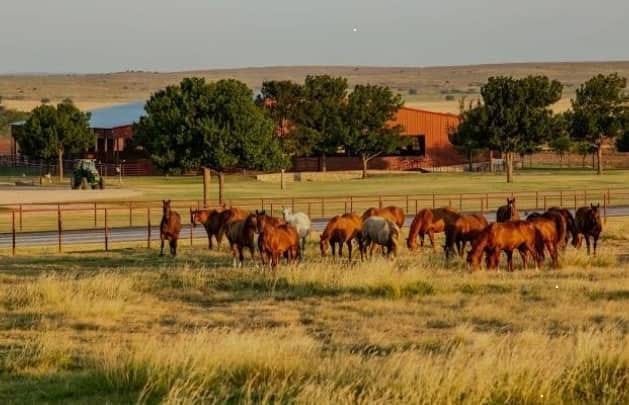
Nigeria has debated ranching for years. The National Livestock Transformation Plan, adopted in 2019, proposed ranches as an alternative to open grazing. Few states implemented it. Farmer-herder violence killed thousands across the Middle Belt and the north. Southern governors banned open grazing in 2021. Enforcement varied. The current projects are part of a renewed push, funded partly by the World Bank.
Ebonyi is building a ranch at Izziangbo in Ohaukwu Local Government Area. It covers 292 hectares on the site of a former Veterinary Investigation Centre. The state has provided ₦150 million as counterpart funding. The Livestock Productivity and Resilience Support project began in 2024 with World Bank support. Planned facilities include an automated abattoir, artificial insemination centre, veterinary clinics, animal hospital, livestock market, feed processing centre and a mini dam. Victor Nwite, the state project coordinator, said the aim is to boost production, climate resilience and commercialisation.
Alhaji Salisu Mohammed, secretary of the Hausa Quarters Cattle Dealers Association in Ebonyi, said dealers had only heard about the ranch. He urged the government to complete it quickly. He said herders enjoy relative peace in the state and comply with livestock laws.
Enugu is establishing a livestock development centre at Owo in Nkanu East Local Government Area. It sits on more than 11,000 hectares and can hold 15,000 cattle. The Commissioner for Agriculture and Agro-Industrialisation, Patrick Ubru, said it will include an automated meat processing facility, climate-smart irrigated pasture and hybrid veterinary services. It will support cattle, dairy and piggery. A cattle market is planned.
Emma Ene, chairman of the All Farmers Association of Nigeria in Enugu, said the ranch would reduce farmer-herder disputes. He urged livestock farmers to form cooperatives and register with the state.
Anambra’s Commissioner for Information, Law Mefor, said the state has no ranch and no immediate plan to establish one. He described farmer-herder relations as cordial, with herders educated not to let cattle stray into farms. Alhaji Gidado Sidikki, vice president of Miyetti Allah Cattle Breeders for the southeast, said a ranch would reduce friction and give herders access to education and organised life.
Winners: Livestock farmers, who gain facilities. Crop farmers, if straying cattle decline. The World Bank, which gains a partner. Ebonyi and Enugu, which gain investment. Losers: States without ranches, which may face continued friction. Taxpayers, if the projects stall. Herders outside the schemes. Communities that lose land to the ranches.
Bottom Line: Two states are building ranches. One is not. The World Bank is funding part of it. Ranches reduce conflict when they work. They fail when they are announced and abandoned. Completion is the test.