


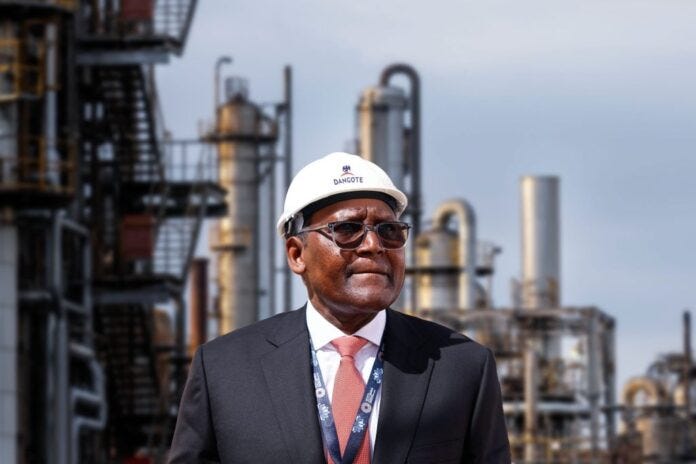
The Nigeria Revenue Service reported that domestic refining capacity reached 700,000 barrels per day by mid-2026, meeting 90% of local petrol demand while diesel imports dropped to zero. The achievement marks a significant milestone in Nigeria’s quest for energy self-sufficiency and a major step away from the country’s historical dependence on imported refined products.
The Dangote Refinery has been the primary driver of this transformation. The refinery’s production has reduced the need for imports, saving foreign exchange and stabilising fuel prices. The elimination of diesel imports is a particularly significant achievement, as diesel is a critical fuel for industry and logistics. The success of the refining sector will depend on the ability to maintain production levels and ensure that the refineries operate efficiently.
This echoes the 2010s push for domestic refining, which also sought to reduce import dependence. The mechanism then was different, but the result was the same: a focus on energy self-sufficiency.
The winners: Nigerian consumers, who benefit from more stable fuel prices; and the Nigerian economy, which saves foreign exchange. The losers: foreign refiners and importers, who lose market share; and the Nigerian government, which must ensure the refineries remain operational.
Bottom Line: Nigeria is now meeting 90% of its petrol demand domestically. Diesel imports are zero. The refining revolution is real. The question is whether it is sustainable.