


The Nigerian Association of Resident Doctors has rejected a proposed law. The bill seeks a six-month jail term or a ₦300,000 fine for healthcare professionals who delay emergency treatment. The Senate passed the bill for second reading on Wednesday. It was sponsored by Senator Abdulaziz Yar’Adua of Katsina Central.
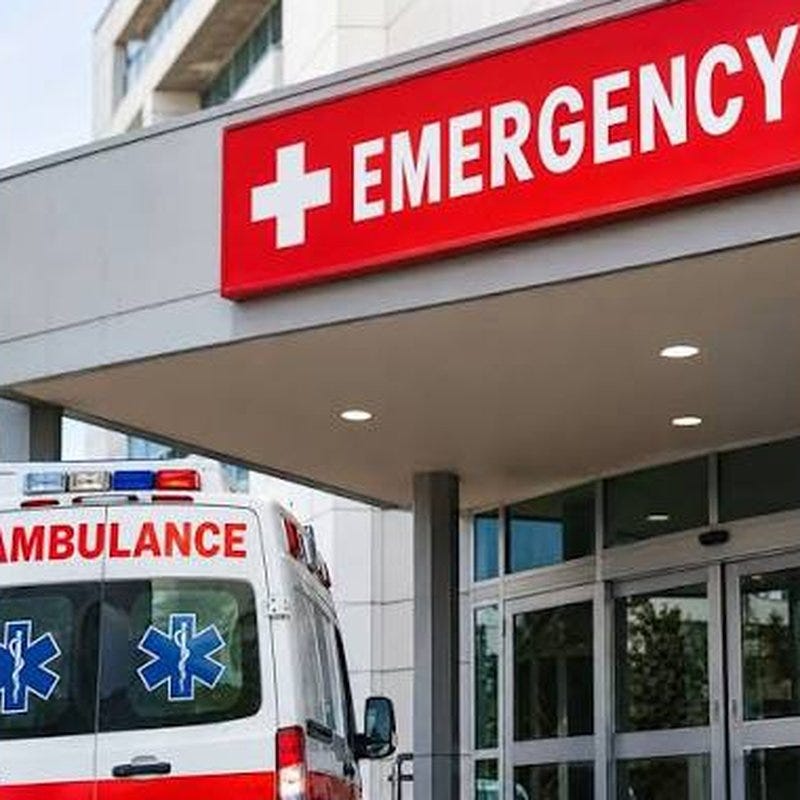
The National Health Act 2014 guarantees emergency treatment. Enforcement has been weak. In 2019, a patient died at a Lagos hospital after being turned away for lack of a police report. In 2022, a woman in Abuja was refused care after a road accident. The public outcry was loud. The proposed amendment is a response. The doctors say it targets the wrong problem.
The NARD President, Dr Ogar Idoko, issued a statement in Calabar. He called the bill punitive. He said doctors should not be criminalised for failures rooted in infrastructure. He cited obsolete equipment, inadequate staffing, unreliable electricity and insufficient emergency supplies. “The challenges are consequences of longstanding institutional neglect rather than professional negligence,” he said.
He urged lawmakers to prioritise healthcare funding. He challenged the National Assembly to show similar urgency in providing functional emergency departments, diagnostic equipment, ambulances and personnel. He also proposed a law compelling public office holders to use Nigerian government hospitals, with sanctions for spending public money on overseas treatment.
He warned that criminal penalties against overstretched doctors could worsen the brain drain. He acknowledged that the bill reportedly contains safeguards for circumstances beyond a doctor’s control. But he insisted those provisions must be explicit and enforceable. He called for the bill’s withdrawal and fresh consultations with healthcare associations, hospital administrators, patient representatives and other stakeholders. He said the association would consider all lawful options, including nationwide industrial action, if the bill proceeds. He pledged that emergency and critically ill patients would be protected during any strike.
Winners: The NARD, which asserts its position. Patient advocates, if emergency care improves. Lawmakers, who gained a platform. Losers: Doctors, who face criminal liability. Patients, if strikes follow. The Senate, whose bill is opposed. The health system, which faces another dispute. Taxpayers, if the bill distracts from funding.
Bottom Line: The bill punishes doctors for a broken system. The doctors are right to object. But emergency delays kill. The Senate must fund hospitals before it jails doctors. Both reform and accountability matter.