


The Association of Nigerian Electricity Distributors (ANED) publicly apologised to domestic and commercial consumers for severe grid disruptions, while calling for an end to inter agency blame across the power sector. An apology is cheap. It costs nothing to issue and commits the issuer to nothing. The distribution companies (DisCos) collect tariffs regardless of supply, and the grid has collapsed with regularity since 2010.
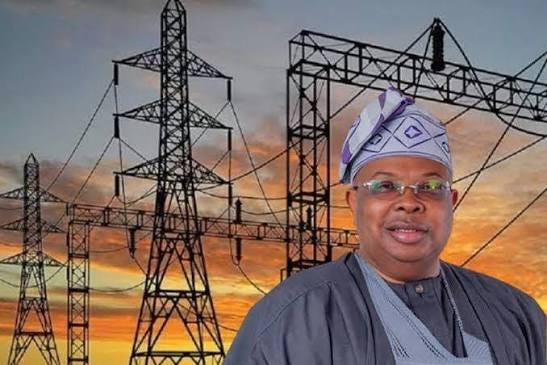
The numbers tell the story better than the statement. Nigeria’s grid has suffered more than 200 partial or total collapses in a decade, and the pattern has accelerated since 2022. Each collapse pushes manufacturers onto diesel generators at roughly three times the cost of grid power. For a factory in Aba or a cold room operator in Kano, the apology changes nothing about the cost stack. It simply names the problem the tariff structure already ignores.
ANED’s call to end inter agency blame is also selective. The DisCos blame the Transmission Company of Nigeria (TCN) for weak evacuation. TCN blames generation shortfalls and vandalism. The regulator blames everyone. What none of them address is the metering gap, which stands at over seven million unmetered customers, and estimated billing, which lets DisCos charge for power they cannot prove they supplied. ANED wants the blame game to stop. Consumers want the metering gap closed and estimated billing ended. Only one of those demands costs the DisCos money.
The historical parallel is the 2013 privatisation. The DisCos took over with promises of investment and metering, backed by a tariff path designed to make both viable. More than a decade later, the metering gap persists and the tariff path has been repeatedly reset by subsidy interventions. The apology is the latest signal that the sector’s problem is not a failure of communication but a failure of incentives.
Winners: DisCos, which keep collecting tariffs while apologising. The regulator, if the apology buys it cover from public anger.
Losers: Households and manufacturers, who pay for power they do not receive and diesel they cannot avoid. Unmetered customers, who remain exposed to estimated billing.
Bottom Line: Until estimated billing ends and the metering gap closes, a DisCo apology is a press release, not a remedy.