


A registered dietitian, Mrs Sarah Abagai, has urged Nigerian families to maximise affordable local foods to tackle child malnutrition, noting that rising food prices and the high cost of living limit access. Speaking on Wednesday in Abuja, Abagai, a Fellow of the Institute of Dietetics in Nigeria, said that poverty was a major factor contributing to malnutrition among children across the country.
She said inadequate knowledge of food combinations was also worsening the situation, in spite of the availability of affordable and nutritious local foods that could support healthy growth and development. She highlighted affordable local foods such as beans, groundnuts, soybeans, eggs, vegetables and seasonal fruits as rich sources of essential nutrients.
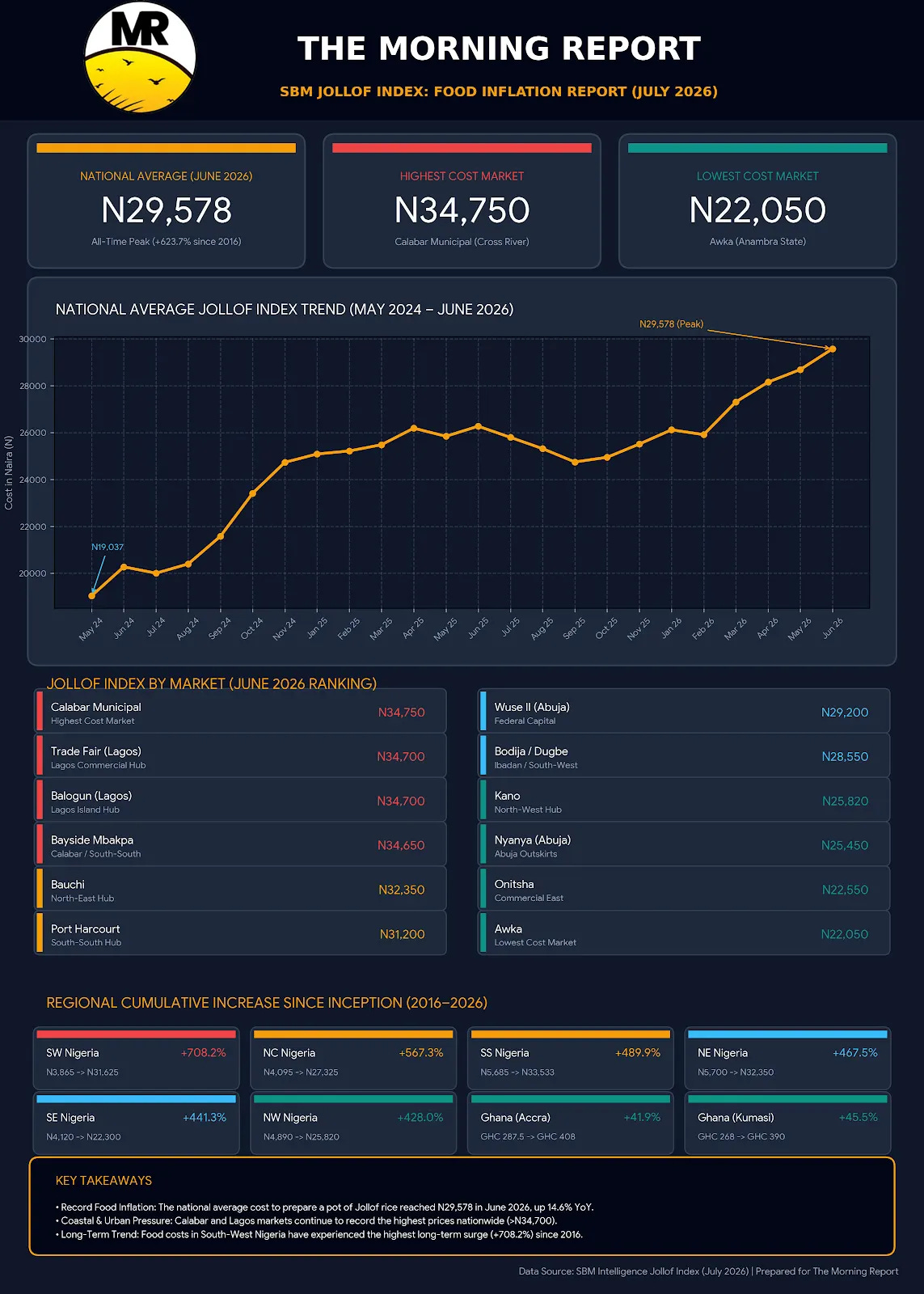
The dietitian’s advice comes as the SBM Jollof Index, a measure of the cost of preparing a pot of jollof rice for a family of five, has hit an average of ₦29,578. The amount represents more than 40 per cent of Nigeria’s ₦70,000 minimum wage. Nigerians are increasingly substituting foods: swapping meat for eggs, replacing imported rice with local varieties, and cutting back on fruits and vegetables.
Abagai emphasised that eggs provide complete protein and could serve as a more affordable alternative to meat for families facing financial constraints. She advised households to combine legumes with whole grains and make greater use of locally available food materials, while cultivating vegetables and fruits in available spaces to supplement purchases.
The dietitian warned that poor sanitation and recurrent infections contributed significantly to malnutrition, particularly during the rainy season when children were more vulnerable to diseases caused by contamination. She concluded that nutritious meals did not have to be expensive, emphasising the importance of making informed choices based on available local foods.
The winners: Nigerian families, who can adopt affordable nutrition strategies; and Nigerian children, who may benefit from better nutrition. The losers: the families who cannot afford even the cheapest options; and the Nigerian government, which must address the root causes of food insecurity.
Bottom Line: Eggs are replacing meat. Beans are replacing rice. The Jollof Index is soaring. The dietitian’s advice is sound. The question is whether families can afford to follow it.