


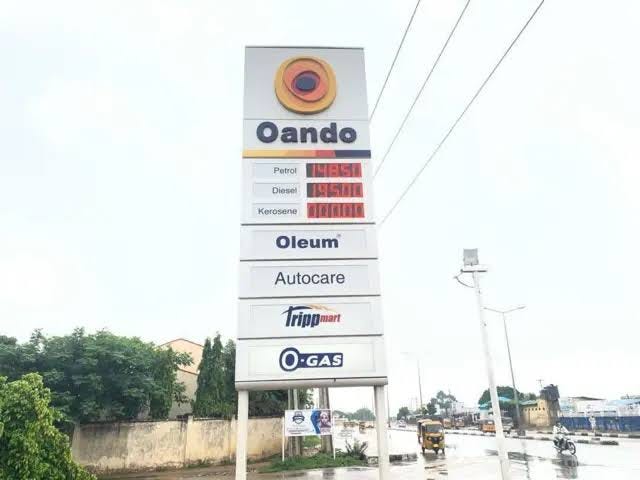
Dangote Petroleum Refinery has raised its gantry price for diesel to ₦1,840 per litre. The increase lands on manufacturers already struggling with energy costs. Diesel is the fuel of Nigerian industry. It powers generators, trucks, boilers and production lines. When it rises, everything downstream rises with it. The refinery has not issued a detailed statement on the reason for the latest adjustment. Its pricing tracks crude feedstock costs and exchange rates. Both remain volatile.
Diesel prices have climbed steadily since the petrol subsidy was removed in May 2023. In 2023, diesel sold for about ₦800 per litre. It crossed ₦1,500 in 2024. Each increase squeezed manufacturers who rely on diesel because the national grid cannot guarantee supply. The Manufacturers Association of Nigeria has repeatedly warned that energy costs are eroding competitiveness. In 2025, MAN said members were spending up to 40 per cent of operating costs on energy. The Dangote refinery was expected to ease the pressure. It has not. Its pricing follows the market.
The new gantry price of ₦1,840 is a fresh blow. Manufacturers who buy in bulk will pay more. Transport operators will pay more. The cost will pass through to consumers. The timing is difficult. Inflation eased to 14.63 per cent in September, but food inflation remains at 19.59 per cent. The naira has stabilised, but it remains weak. Fuel prices are still above ₦1,400 per litre in many states. Diesel at ₦1,840 adds another layer.
The refinery’s pricing is commercial. It buys crude in dollars. It sells diesel in naira. When the exchange rate moves, the price moves. When global crude rises, the price rises. The refinery is not a charity. It is a business. But its pricing decisions shape the cost structure of the entire economy.
Manufacturers have limited options. They can pass costs to consumers, who are already stretched. They can cut production. They can switch to gas, if infrastructure reaches them. Most cannot. The southeast gas pipeline is years from completion. CNG conversion is expensive. The grid remains unreliable. Diesel remains the default.
The government has offered no immediate relief. The 30-day petrol discount window through NNPC does not cover diesel. The CNG initiative targets transport, not industry. Manufacturers are on their own. The squeeze continues.
Winners: Dangote Refinery, which earns market margins. Diesel importers who can undercut, if any remain. Generator servicing firms, which gain business. Losers: Manufacturers, who face higher production costs. Transport operators, whose margins shrink. Consumers, who pay more for goods. Small businesses, which cannot absorb the increase. The economy, which loses competitiveness. Workers, whose jobs are at risk if factories cut output.
Bottom Line: Diesel at ₦1,840 is not a market blip. It is a structural cost. Nigerian manufacturers compete with peers in countries where energy is cheaper and reliable. They cannot win that contest while running on diesel at this price. The refinery has priced to market. The government has not priced to protect industry. Until gas reaches the factories, the squeeze will continue.