


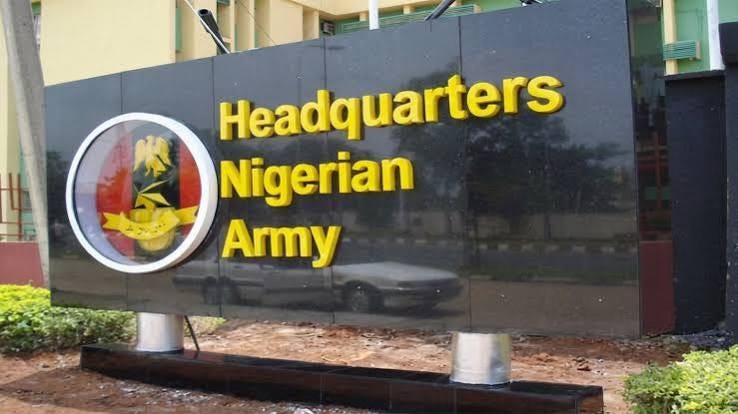
Nigeria’s Defence Headquarters has declined to comment on reports that the federal government reached a secret ceasefire agreement with Boko Haram in June 2026. The New Humanitarian reported that the alleged deal followed negotiations over the release of 360 civilians abducted in Ngoshe, Borno State. The report also claimed that the government paid ₦5 billion in ransom, an allegation it has denied.
The report, citing three sources with links to Boko Haram members, said attacks had declined in some communities around Ngoshe since the alleged agreement. However, Defence Media Operations director, Maj.-Gen. Mike Onoja, declined to comment when asked about the report.
The alleged ceasefire comes amid Nigeria’s nearly two-decade fight against Boko Haram in the Northeast. A United Nations Development Programme assessment estimated that the insurgency had caused nearly 350,000 deaths by the end of 2020.
The Defence Headquarters’ silence on the matter is telling. The government has consistently denied paying ransoms, but the report suggests otherwise. The alleged decline in attacks around Ngoshe could be evidence of a deal, or it could be a coincidence. The government must provide clarity to avoid further speculation.
This echoes the 2014 Chibok kidnapping, when the government’s handling of negotiations also faced intense scrutiny. The mechanism then was different, but the result was the same: a government accused of secrecy and the public left in the dark.
The winners: none. The losers: the families of the 360 abducted civilians, who remain in the dark; and the Nigerian government, whose credibility is once again questioned.
Bottom Line: The government is silent on a reported ceasefire with Boko Haram. The allegations are serious. The question is whether the silence is a strategy or a sign of a cover-up.