


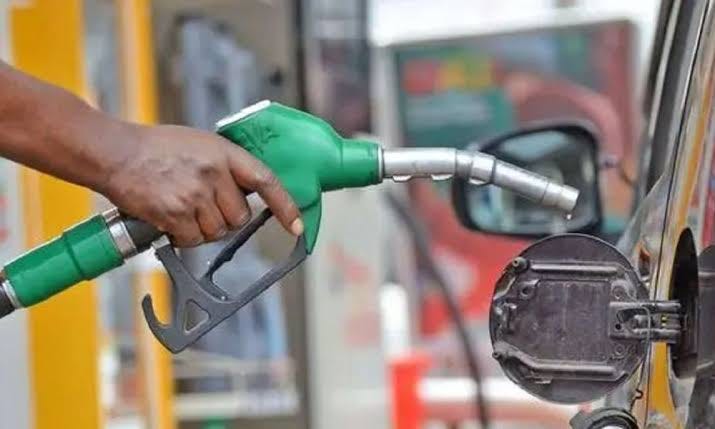
Dangote Petroleum Refinery increased its petrol gantry price by ₦20 to ₦1,185 per litre after global Brent crude oil prices surged past $93 per barrel. The increase reflects the refinery’s exposure to global crude prices, which have risen sharply in recent weeks.
The price hike is a blow to Nigerian consumers, who hoped the Dangote Refinery would provide relief from high fuel costs. The ₦20 per litre increase will be felt at the pump, adding to the cost of transportation and food. The refinery’s pricing is now tied to global crude prices, meaning that Nigerian consumers are exposed to the volatility of the international oil market. For a commercial driver in Lagos, the ₦20 increase means higher operating costs, which will likely be passed on to passengers.
This echoes the 2024 petrol price hikes, when Dangote also adjusted prices in response to global crude movements. The mechanism then was different, but the result was the same: Nigerian consumers bearing the cost of global oil price volatility.
The winners: Dangote Refinery, which is passing on higher costs to consumers; and the Nigerian government, which collects taxes on fuel sales. The losers: Nigerian consumers, who face higher fuel prices; and the Nigerian economy, which suffers from higher transportation costs.
Bottom Line: Dangote has raised petrol prices by ₦20. Global oil prices are rising. The question is whether the government will intervene or let the market determine prices.