


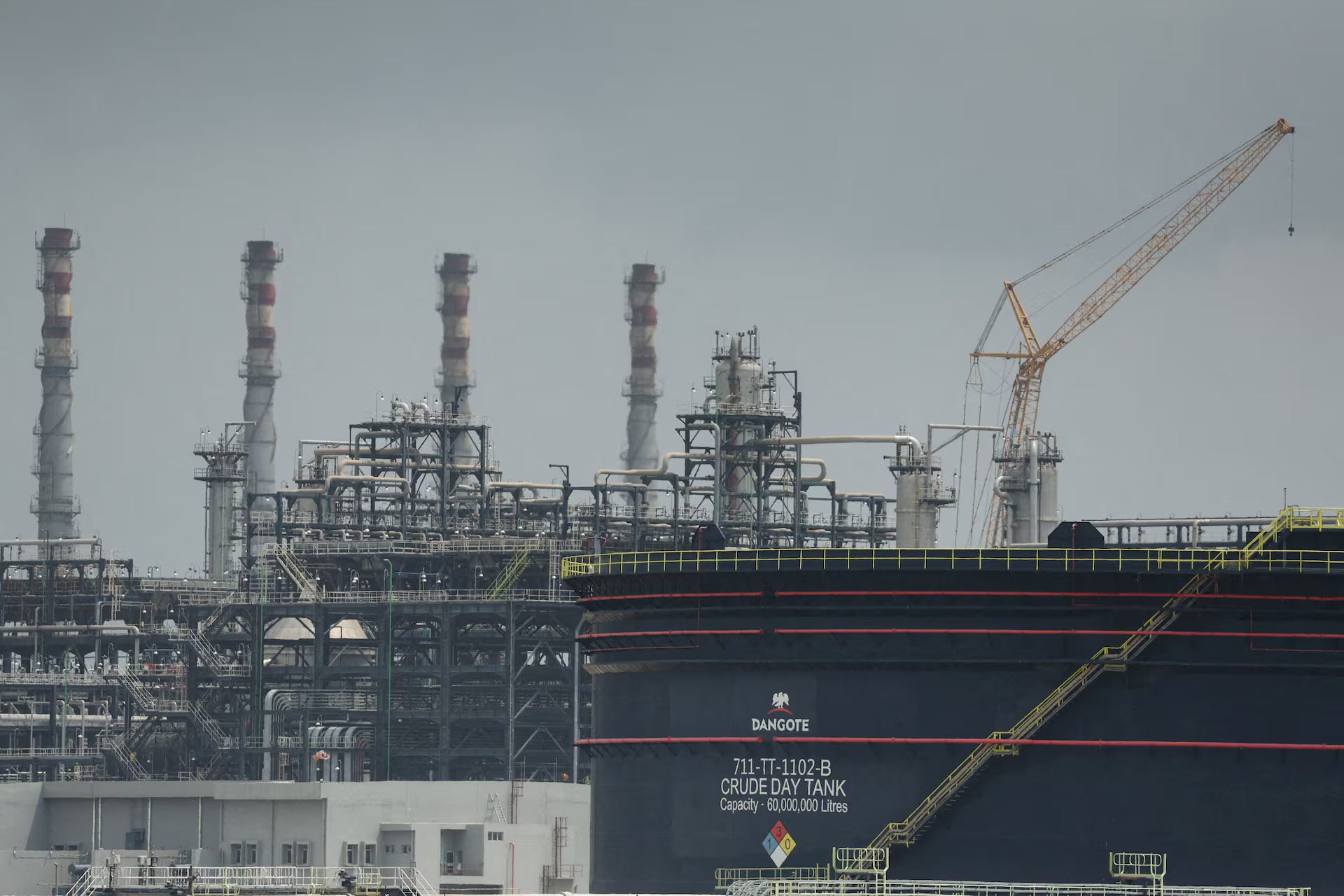
Dangote Industries Limited has begun preliminary work on a proposed 700,000-barrel-per-day refinery in Kenya, marking its first major refining investment outside Nigeria. The project, estimated to cost up to $17 billion, is planned for Lamu Island along Kenya’s coast and is expected to become East Africa’s largest refinery.
According to company officials, the project has moved beyond the planning stage. “The site has been selected, soil tests are underway, and design and engineering work has commenced. Kenya was the choice from the beginning,” said Edwin Devakumar, Dangote Industries’ Vice President for Oil and Gas. Construction is expected to take about three years.
The company plans to finance the project through a combination of internally generated cash, bond issuance and proceeds from a planned Initial Public Offering (IPO). Devakumar said the investment would be comparable to the cost of the group’s refinery in Lagos, which ultimately exceeded $20 billion.
The refinery forms part of Dangote Group’s broader strategy to expand its footprint across Africa. The company also plans to double the capacity of its Lagos refinery from 650,000 bpd to 1.4 million bpd by 2028. This would make it the largest refinery in the world. Combined with the Kenyan refinery, Dangote’s total refining capacity would reach 2.1 million barrels per day.
The Kenyan investment has significant implications for regional energy security. East Africa currently relies heavily on imported refined petroleum products. The Lamu refinery is expected to supply Kenya and neighbouring countries, reducing dependence on imported fuel and supporting industrialisation in the region.
Speaking at the announcement, industry observers noted that the project would deepen regional integration in Africa’s energy market while reinforcing Dangote Group’s position as one of the continent’s leading industrial conglomerates.
This mirrors the 1970s, when the Nigerian government built the Kaduna and Port Harcourt refineries to reduce dependence on imported fuel. The mechanism was different then, but the ambition was the same: to process crude oil locally and capture value. The difference is that Dangote’s refineries are actually working.
The winners: Kenya, which gains a major industrial investment; East African countries, which will benefit from cheaper fuel; and Dangote Industries, which expands its empire. The losers: European and Middle Eastern refiners, who will lose market share; and perhaps the Nigerian environment, if the refinery’s operations are not properly regulated.
Bottom Line: Dangote is taking his refinery model to Kenya. That is good for East Africa. It is also a reminder that Nigeria’s private sector is now exporting industrial capacity.