


Fresh figures from the Nigerian Midstream and Downstream Petroleum Regulatory Authority (NMDPRA) show Dangote Petroleum Refinery held 630.9 million litres of refined products in stock at the close of August. Average daily petrol imports into Nigeria fell 26% over the same period. The data confirms the refinery’s growing dominance of the domestic market.
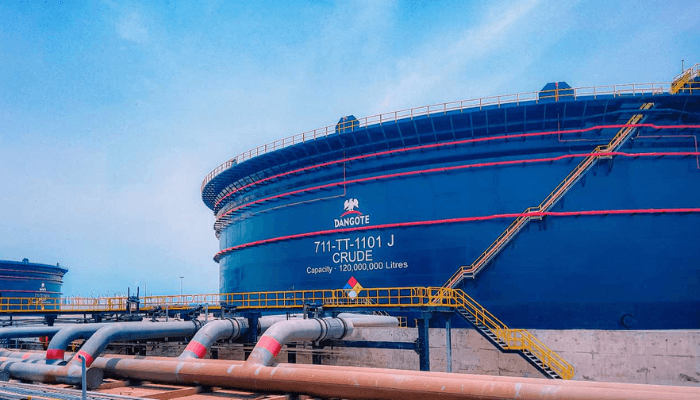
Nigeria has imported petrol for decades because state refineries failed. The Dangote refinery was built to end that dependence. It began operations in 2024. It reached full capacity in 2025. It processes 650,000 barrels per day. It was designed to supply the domestic market and export surplus. The import decline is the first real evidence that the strategy is working.
The 630.9 million litres in stock is a significant buffer. It means the refinery can meet domestic demand without immediate production runs. It also means it can absorb supply shocks. The 26% drop in imports is equally important. Importers are losing market share. That was the refinery’s purpose.
The economic implications are broad. Reduced imports conserve foreign exchange. They reduce pressure on the naira. They also reduce exposure to global refined product prices. Domestic refining keeps value in Nigeria. It creates jobs. It supports downstream industries.
The political dimension matters. The NMDPRA has approved 830,000 tonnes of petrol imports for Q4 2026. Dangote has challenged the licences in court. The case returns on 7 October. The regulator wants a supply buffer. The refinery wants market share. The data favours the refinery. Its stock levels and the import decline show it can supply the market.
The risks remain. Refining margins are volatile. Global crude prices affect profitability. The naira’s stability affects costs. The refinery’s expansion to 1.4 million barrels per day requires infrastructure investment. But the direction is clear. Nigeria is refining more and importing less.
Winners: Dangote Refinery, which gains market share. The Federal Government, which conserves foreign exchange. Consumers, if supply stability improves. The naira, which faces less import pressure. Losers: Petrol importers, who lose business. Foreign refineries, which lose a customer. The treasury, if crude export revenue falls. Import-dependent businesses, which must adapt.
Bottom Line: Dangote holds 630.9 million litres in stock. Imports fell 26%. The refinery is delivering on its promise. The court case will decide the import licences. The data already favours domestic refining.