


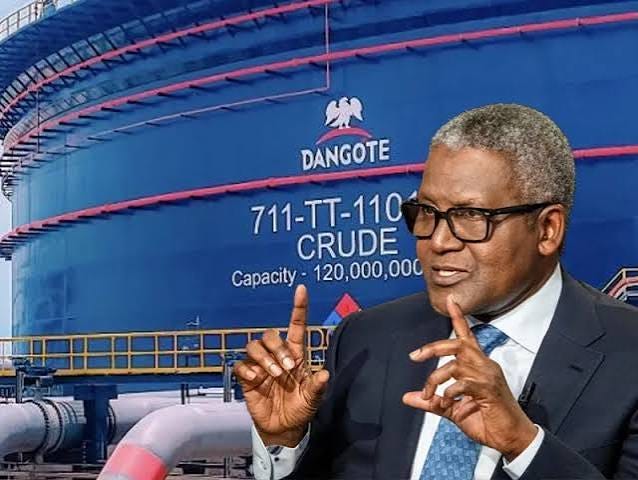
Dangote Petroleum Refinery has reduced its petrol gantry price, and average Lagos depot rates have fallen to roughly ₦1,259 per litre. The refinery lowered its gantry price to ₦1,159 per litre from ₦1,210, a cut of ₦51 or 4.21%. The reduction follows a decline in the European gasoline benchmark and improved product availability .
The mechanics of the price chain are where the relief lives or dies. A gantry price is what the refinery charges a marketer who collects petrol at the gate. A depot price is what a marketer charges a retailer. A pump price is what a motorist pays. Each link adds transport, margins and the cost of inventory bought at a higher price. Retailers holding stock purchased before the cut have an incentive to sell at the old price for as long as they can .
This echoes the 2024 and 2025 cycles of Dangote price reductions followed by uneven pump price adjustments, where the headline cut arrived at the gate before it arrived at the forecourt. It also mirrors the longer pattern of Nigerian downstream pricing being shaped by a single refinery’s decisions rather than a competitive market.
The winners are the marketers who source from Dangote and can undercut competitors still buying imported product. The losers are the retailers who bought inventory at the old price and must now choose between absorbing the loss and being undercut.
Bottom Line: A gantry price cut is a signal. The pump price is the policy, and the retailer decides when it arrives.