


Aliko Dangote has acquired a 25 per cent stake in Kenya Pipeline Company. The stake is 24.76 per cent, according to Kenyan transaction records. It is worth about 42.5 billion Kenyan shillings, or roughly $327 million. Dangote announced the acquisition on Wednesday at the Financial Times Africa Summit in London. He said the investment would support the distribution of petroleum products.
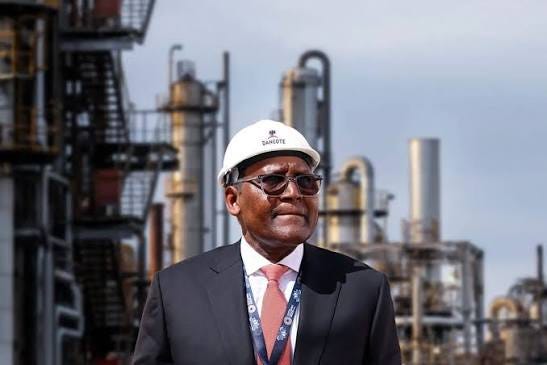
Dangote has expanded across Africa. His Lekki refinery in Nigeria processes 650,000 barrels per day. It is the largest single-train refinery in the world. In September 2026, he broke ground on a second refinery at Lamu in Kenya. That project will cost $16 billion and process 700,000 barrels per day. The KPC stake extends his reach from refining into distribution. Kenya sold 65 per cent of KPC through an initial public offering in January 2026. The government retains 35 per cent. Uganda’s national oil company sought 20 per cent.
Dangote said Kenyan President William Ruto approved the acquisition on 20 October. KPC operates about 1,300 kilometres of pipeline. It moves roughly 250,000 barrels per day from Mombasa to inland Kenya. It reported a net profit of 11.58 billion shillings for the year to June 2026, up 13 per cent. It paid about 5.81 billion shillings in dividends. Dangote’s stake could attract about 1.44 billion shillings in dividends. The deal sits just below Kenya’s 25 per cent threshold, which would have triggered additional takeover approval requirements. The acquisition does not automatically connect the Lamu refinery to KPC’s Mombasa-centred network. Any physical link would require new infrastructure, commercial agreements and regulatory approvals.
Winners: Dangote, who gains distribution infrastructure. The Kenyan government, which raises revenue. KPC, which gains a strategic investor. East African consumers, if supply improves. Losers: Competing distributors, who face a stronger rival. Importers of refined products, who face competition. Kenyan taxpayers, if the privatisation undervalues the asset. No serious losers if the investment delivers.
Bottom Line: Dangote bought a quarter of Kenya’s pipeline. He now controls refining and distribution. The Lamu refinery is next. East Africa’s fuel map is changing. The question is whether cheaper fuel follows. Ownership does not guarantee lower prices. Competition does.