


The Nigeria Customs Service processed 9,195 Pre-Arrival Assessment Reports and 99,839 Single Goods Declarations between September and October 2026. PAARs rose from 2,102 in September to 7,093 in October. SGDs rose from 48,832 to 51,007. Revenue collection increased from ₦697 billion to ₦722 billion. Total collections reached approximately ₦1.42 trillion. The figures were disclosed by the service.
Customs revenue is a critical non-oil source for the federation account. In 2023, the service collected about ₦3.2 trillion. In 2024, it exceeded ₦5 trillion. The growth followed trade facilitation reforms and tighter enforcement. PAARs are the first step in the import process. They allow valuation and risk assessment before goods arrive. SGDs are the formal declarations. The rise in both indicates increased trade volume or improved compliance.
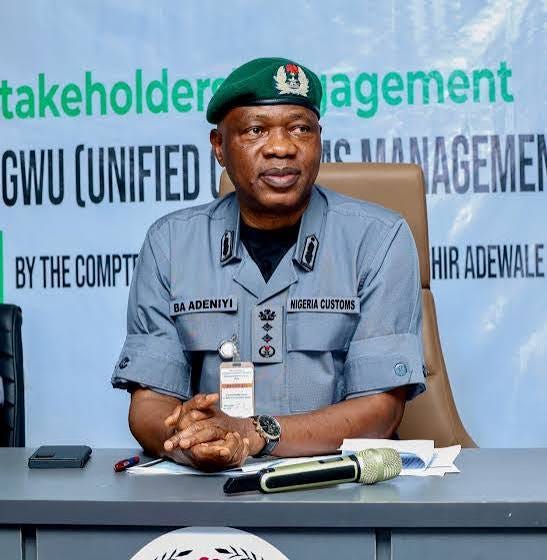
The spokesperson, Abdullahi Maiwada, said the service also seized prohibited goods worth over ₦8.1 billion. The seizures included illicit drugs, pharmaceuticals and petroleum products. The service is implementing a World Customs Organisation mentoring programme. It targets trade-based money laundering and terrorist financing. It is also transitioning to electronic currency declarations. The aim is to improve transparency and detect illicit financial flows.
The revenue increase is welcome. The fiscal deficit is large. Customs collections help bridge the gap. But the seizures tell a parallel story. Prohibited goods still flow through the ports. The service can intercept some. It cannot intercept all. The mentoring programme and electronic declarations are steps towards a more transparent system. Implementation will take time.
Winners: The Federal Government, which gains revenue. Compliant importers, who face predictable processes. The WCO, which gains a partner. The economy, if illicit flows decline. Losers: Smugglers, who face seizures. Fraudulent traders, who face detection. Agencies that lose revenue to illicit trade. Taxpayers, if the reforms are slow.
Bottom Line: Customs collected ₦1.42 trillion and seized ₦8.1 billion in contraband. The numbers are strong. The underlying trade still carries risk. Electronic declarations and mentoring are the right direction.