


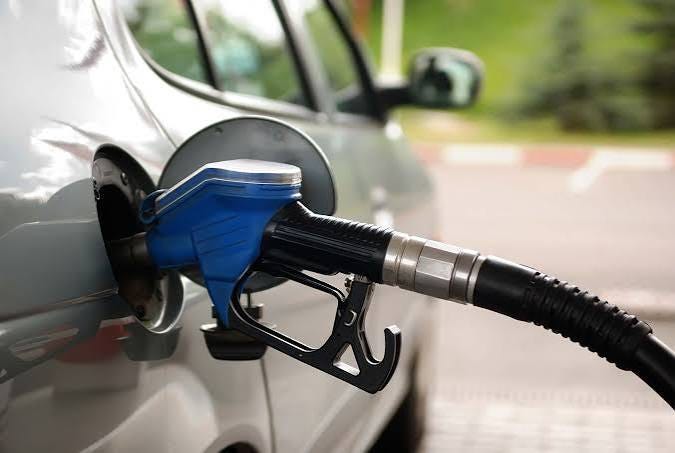
The Centre for the Promotion of Private Enterprise (CPPE) has warned against restoring the petrol subsidy. In a policy brief signed by its chief executive, Muda Yusuf, on Sunday, the group called the policy fiscally unsustainable. It put the potential cost at about ₦152.5 billion daily and roughly ₦19.16 trillion annually, using 50 million litres per day and a subsidy need of ₦1,050 per litre. That is an annual burden approaching ₦20 trillion.
Nigeria removed the petrol subsidy in May 2023. President Bola Tinubu announced it at his inauguration. The Nigerian National Petroleum Company Limited adjusted pump prices the following month. Previous attempts to end the subsidy, including the 2012 partial removal, triggered the Occupy Nigeria protests. Each time, the government retreated or compromised. This time, it held. The question is how long.
The CPPE’s intervention lands in a heated debate. Former Vice President Atiku Abubakar has pledged to restore a targeted petrol subsidy if elected in 2027. The CPPE argues that the debate should not be reduced to pump prices. It says the old regime was a fiscal, foreign exchange and resource allocation problem. It notes that artificially low prices encouraged arbitrage and cross border diversion. Nigerian public resources were, in effect, subsidising fuel consumed outside the country.
The group also draws a distinction that matters. Petrol sold for about ₦774 to ₦800 per litre before the recent escalation. Prices then rose above ₦1,300 per litre amid a sharp increase in global energy prices linked to the Middle East crisis. The CPPE says it is wrong to attribute the entire increase to subsidy removal. One is a domestic structural reform. The other is an external commodity shock. They require different responses.
Instead of a return to subsidy, the CPPE proposes targeted relief. It wants expanded public transport, rail freight and logistics. It wants better electricity, faster adoption of compressed natural gas and solar, and stronger food production. It wants targeted support for vulnerable households and lower energy, logistics and financing costs for small businesses. It also wants the three tiers of government to show transparently how the fiscal gains from the reform are being spent.
Winners: The Federal Government, if it holds the reform and avoids a ₦20 trillion bill. Domestic refiners, who benefit from market based pricing. The CPPE, which shapes the policy debate. Losers: Households facing high pump prices. Atiku Abubakar, whose subsidy pledge is challenged. Transport operators and small businesses squeezed by fuel costs. Nigerians who see the reform’s gains in fiscal accounts but not in public services.
Bottom Line: A ₦20 trillion subsidy would compete with roads, schools and hospitals. The reform’s gains must become visible, or the argument for reversal will win.