


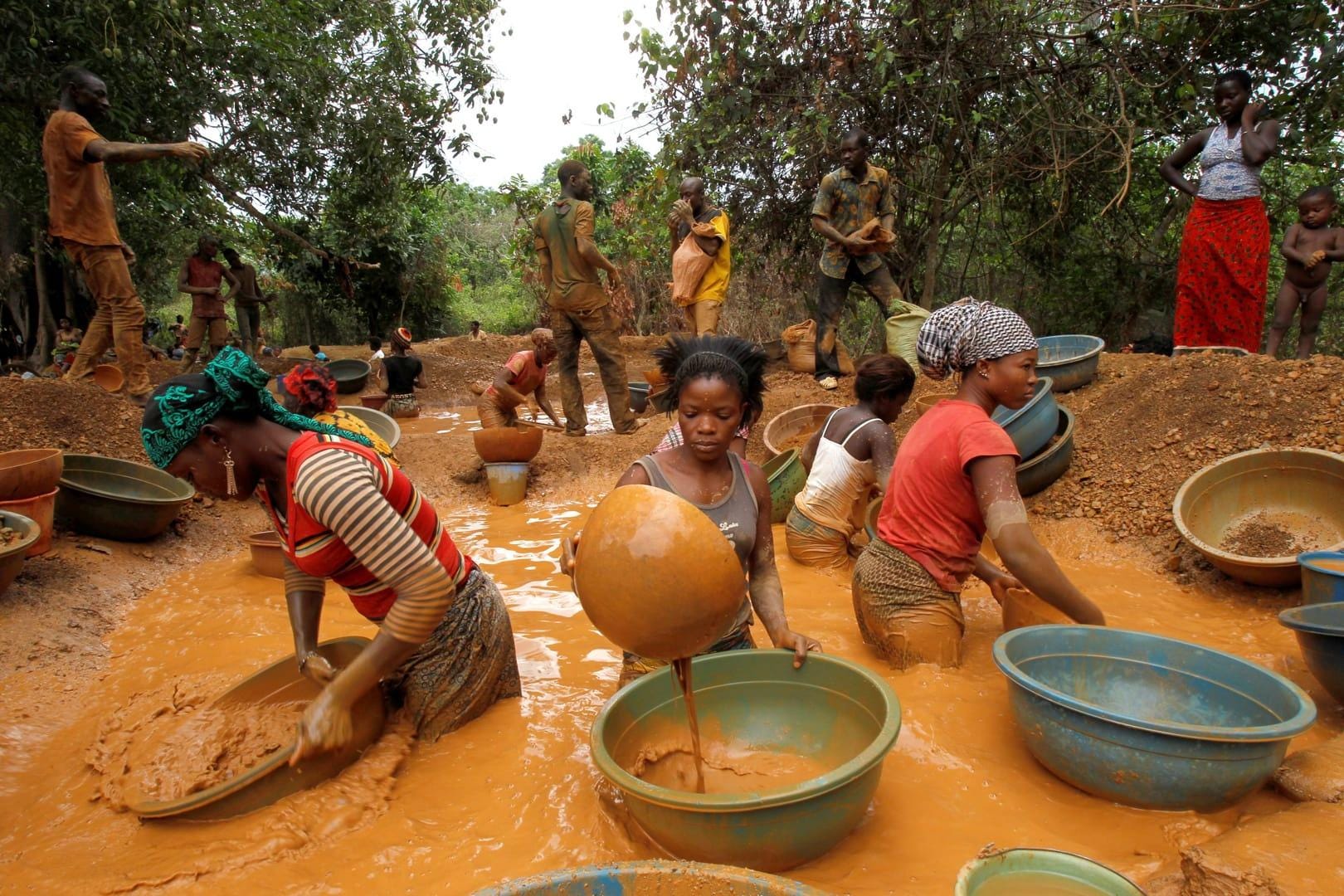
Authorities in Côte d’Ivoire’s Indénié-Djuablin region have announced tougher measures to combat illegal gold mining, introducing a zero-tolerance policy that targets not only illegal miners but also anyone found aiding their activities. Speaking at a public meeting in Abengourou, Regional Prefect Kouadio Kouassi Eugène said landowners, traditional rulers and government officials who facilitate illegal mining could face prosecution, while village chiefs risk losing their appointments if found complicit.
The government has also expanded enforcement by assigning illegal mining cases to the Economic and Financial Penal Pole in Abidjan. Officials reiterated that mining in rivers remains strictly prohibited because of its environmental impact. Authorities have set December 31, 2026, as the deadline to eradicate illegal gold mining in the region. Several arrests have already been made, with more operations planned. Residents were urged to report illegal activities, while authorities encouraged communities to pursue licensed mining ventures that comply with environmental and legal standards.
The Nigerian stake is clear. Illegal mining is a major problem in Nigeria as well, particularly in states like Zamfara, Osun and Kogi. The environmental and social costs are significant: water pollution, deforestation, health hazards and loss of government revenue. The Nigerian government has struggled to contain the problem, with limited success.
From a Nigerian vantage point, Côte d’Ivoire’s zero-tolerance policy is a reminder that enforcement is possible when there is political will. Nigeria’s own efforts to curb illegal mining have been hampered by corruption, weak enforcement and the involvement of powerful interests.
This echoes the 2020 crackdown on illegal mining in Ghana, which also involved the destruction of equipment and the arrest of operators. The mechanism then was different, but the result was the same: a government taking decisive action to protect its resources.
The winners: the Ivorian government, which is taking decisive action; the environment, which benefits from reduced illegal activity; and the state treasury, which gains from increased legal mining revenue. The losers: illegal miners, who face prosecution; and the Nigerian government, which has not matched Côte d’Ivoire’s enforcement efforts.
Bottom Line: Côte d’Ivoire is getting tough on illegal mining. Officials, chiefs and landowners who enable it will face prosecution. Nigeria is watching. The question is whether it will follow.