


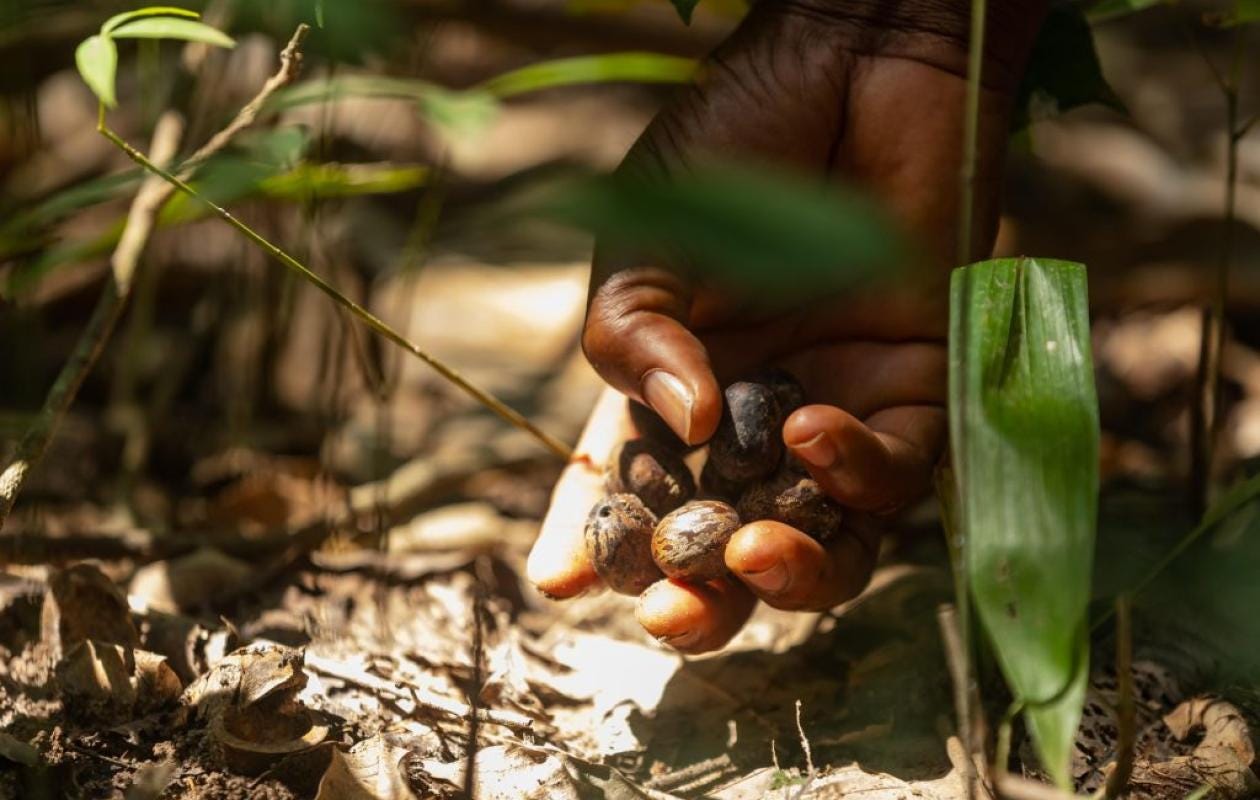
Côte d’Ivoire has launched its 2026 rubber seed marketing campaign, targeting the collection of 64,500 tonnes as producers seek to increase income from a product once treated as plantation waste. The Federation of Rubber Producers’ Organisations (FPH-CI) and ENI Côte d’Ivoire launched the campaign in Abidjan on Monday.
The initiative builds on pilot efforts since 2023, with improvements in logistics, digitalisation and traceability. Five transit centres have been established to reduce delivery distances and transport costs, while operations will be expanded in Korhogo, where storage and processing capacity is higher. A new digital platform will allow cooperatives to track deliveries, receive payment notifications and centralise transaction data. The partnership is expected to strengthen a new rubber seed value chain, guarantee market access for producers and diversify their income.
The Nigerian stake is clear. Nigeria also produces rubber, but the country has not developed a similar value chain for rubber seeds. The Ivorian initiative offers lessons for Nigeria on how to turn a waste product into a source of income.
From a Nigerian vantage point, the Ivorian campaign is a model and a warning. The model: a government and private sector partnership building a new value chain. The warning: Nigeria is missing out on opportunities to diversify its agricultural exports.
This echoes the 2020s push for agricultural value addition in Africa, which has seen several countries invest in processing. The mechanism then was different, but the result was the same: a race to capture more value from agricultural commodities.
The winners: Ivorian rubber producers, who will benefit from increased income; and the Ivorian economy, which gains from a new value chain. The losers: Nigeria, which risks falling further behind; and the Nigerian government, which must act to catch up.
Bottom Line: Côte d’Ivoire is turning rubber seeds into income. Nigeria is watching. The question is whether Nigeria will follow suit or continue to export raw commodities.