


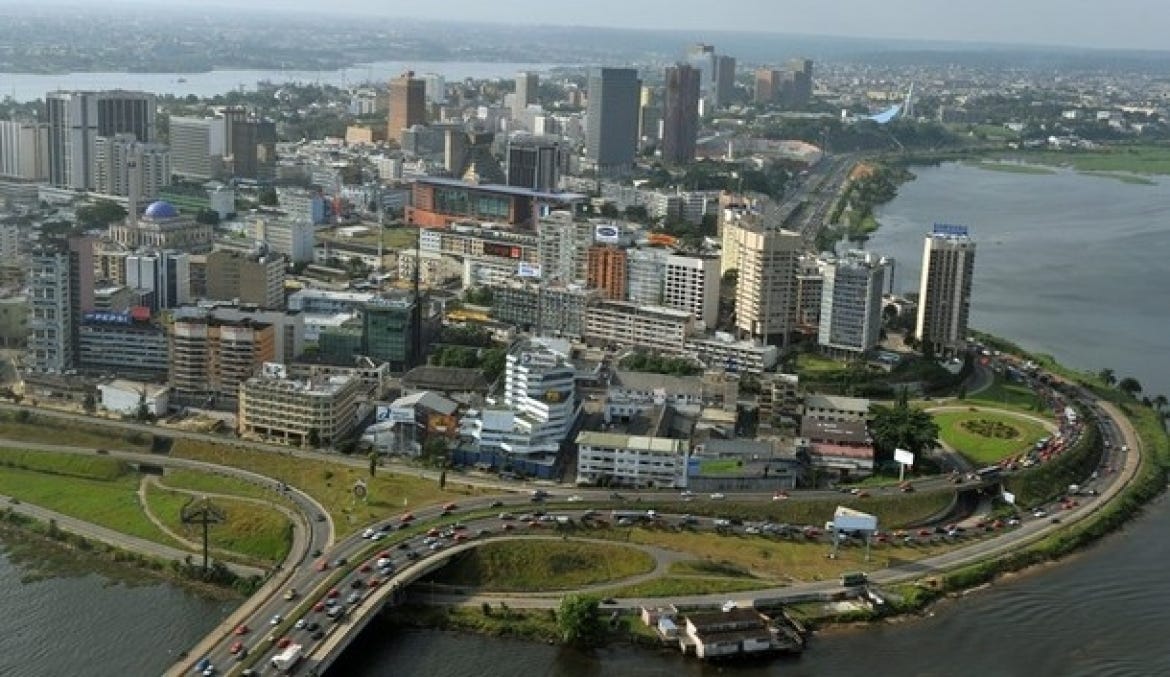
Côte d’Ivoire has secured more than $80 billion in investment commitments for its 2026–2030 National Development Plan (NDP) following a high-level investment forum held in Abidjan on July 8 and 9. The event attracted over 3,600 participants, including more than 2,000 investors from 49 countries, with commitments exceeding the government’s initial funding target by four times.
The World Bank pledged 17 trillion CFA francs to support the plan, while the European Union, through Team Europe, announced an €8.2 billion contribution to finance key development priorities. The investments will focus on energy, transport, agribusiness, vocational training, private-sector growth, and job creation. EU Ambassador Irchad Ramiandrasoa Razaaly said the commitments reflect strong international confidence in Côte d’Ivoire’s development agenda and economic stability. The government said the funding will support the implementation of priority projects under the National Development Plan, building on the country’s strong performance under its 2021–2025 programme.
The Nigerian stake is direct. Côte d’Ivoire is Nigeria’s competitor for investment in West Africa. The country is positioning itself as a regional economic hub, and its success in attracting $80 billion in commitments could draw investment away from Nigeria. Nigerian businesses operating in Côte d’Ivoire may benefit, but Nigerian businesses at home may face increased competition for capital.
From a Nigerian vantage point, the Ivorian success is a model and a warning. The model: a clear development strategy with strong international support. The warning: Nigeria’s own development planning is less coherent. If Côte d’Ivoire continues to outperform, it could become the preferred investment destination in the region.
This mirrors the 2010s, when Ghana was the IMF’s poster child for economic reform while Nigeria struggled with its own fiscal challenges. The pattern is repeating. Côte d’Ivoire is the new star. Nigeria is still trying to find its footing.
The winners: Côte d’Ivoire, which has gained international credibility; its citizens, who benefit from improved public finances; and its investors, who see reduced risk. The losers: Nigeria, which risks losing the investment competition to its West African neighbour.
Bottom Line: Côte d’Ivoire just secured $80 billion in investment commitments. Nigeria is still trying to figure out where 2 percent of its GDP went. The contrast is not flattering.