


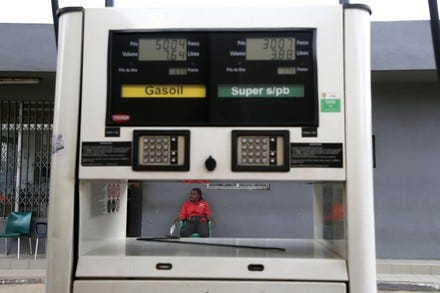
Fuel prices have increased in Côte d’Ivoire for August 2026 following the government’s monthly review of petroleum product prices. According to the Ministry of Mines, Petroleum and Energy, the price of premium petrol has risen by 30 CFA francs to 905 CFA francs per litre, up from 875 CFA francs. Diesel has also increased by 25 CFA francs, from 700 to 725 CFA francs per litre. Kerosene recorded a similar adjustment, with its price climbing from 745 to 780 CFA francs per litre.
However, the government left butane gas prices unchanged, keeping the 6kg, 12.5kg and 15kg cylinders at 2,000 CFA francs, 5,200 CFA francs and 6,975 CFA francs, respectively. The latest increase follows a similar price adjustment in May, when petrol and diesel prices were also raised. Côte d’Ivoire reviews fuel prices every month to reflect movements in international oil markets and global petroleum product prices.
The Nigerian stake is clear. Fuel prices in Côte d’Ivoire are closely watched in Nigeria, as both countries face similar challenges in managing petroleum product pricing. The monthly review of prices is a departure from Nigeria’s approach, which has been characterised by sporadic adjustments and subsidy debates.
From a Nigerian vantage point, Côte d’Ivoire’s approach offers a model for fuel pricing. The monthly review ensures that prices reflect market realities, but it also exposes consumers to volatility. Nigeria’s deregulated market operates on a similar principle, but the government has struggled to fully implement it.
This echoes the 2022 fuel price adjustments in Côte d’Ivoire, which also followed international market trends. The mechanism then was different, but the result was the same: a focus on market-based pricing.
The winners: the Ivorian government, which is managing fuel subsidies effectively; and the Ivorian economy, which benefits from market-based pricing. The losers: Ivorian consumers, who face higher prices; and the Nigerian government, which must learn from Côte d’Ivoire’s example.
Bottom Line: Côte d’Ivoire has raised fuel prices for August. The monthly review reflects market realities. The question is whether Nigeria will follow a similar approach.