


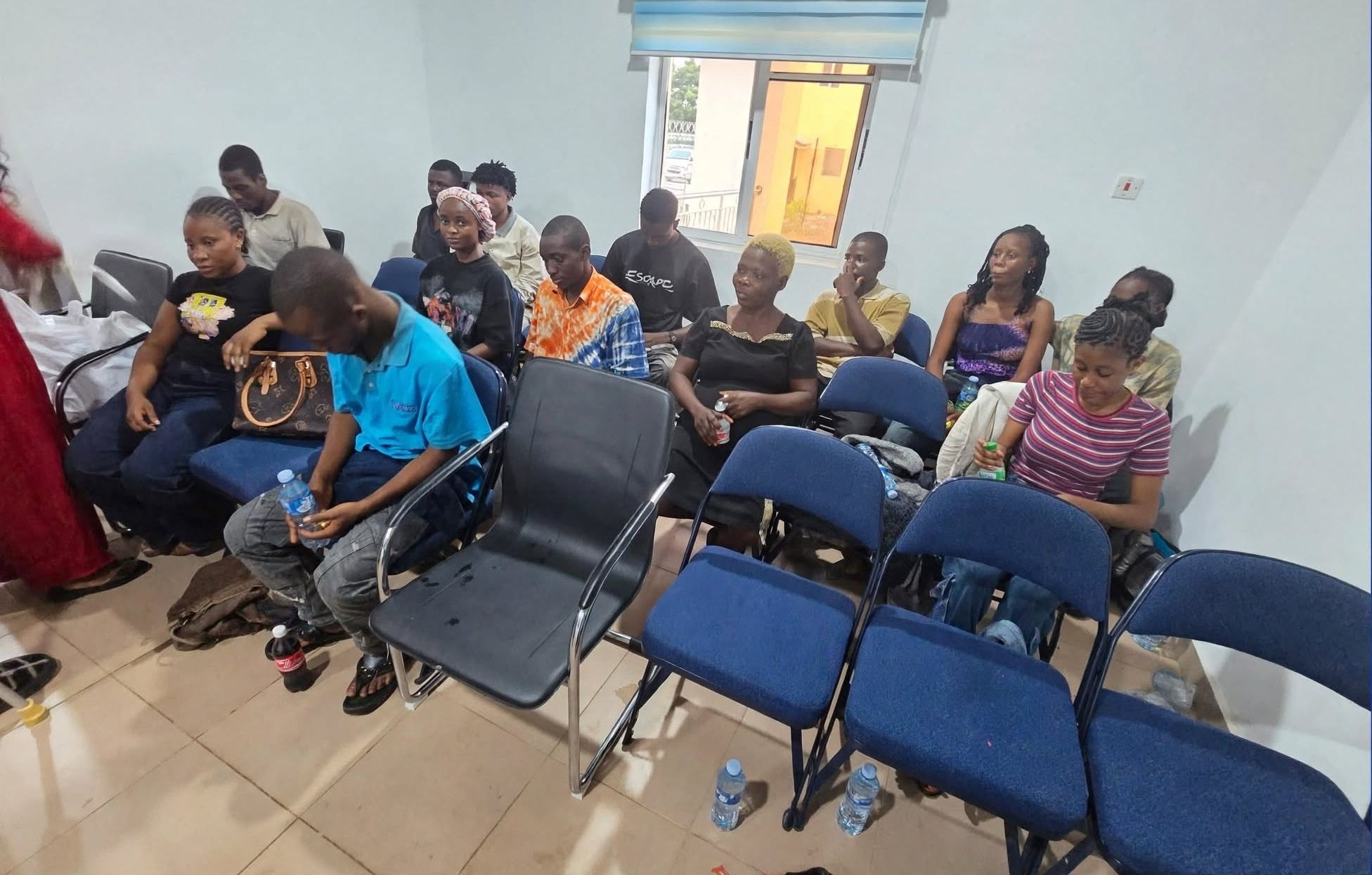
On 1 October 2026, gunmen abducted 20 prospective National Youth Service Corps members. They were travelling along the Owerri-Onitsha Road in Imo State. The Imo State Police Command said the victims were freed six days later. It described a sustained, coordinated search-and-rescue operation. It said no ransom was paid. A victim’s family has directly contradicted that account.
Kidnapping for ransom has become a national industry. SBM Intelligence recorded 7,825 abductions between July 2025 and June 2026. Victims paid approximately ₦7.78 billion to captors. The northwest bears the heaviest burden. But the enterprise is spreading. The Owerri-Onitsha corridor has become a hotspot. In 2023, gunmen abducted travellers on the same route. In 2024, similar attacks targeted buses at night. Security forces have conducted multiple rescue operations. Ransom payments often determine the outcome. Kidnappers now demand dollars to hedge against naira depreciation.
Alirat Wahab is the mother of one of the abducted corps members. She revealed that her family was forced to pay a ₦6 million ransom. The kidnappers initially demanded ₦50 million per person. They eventually reduced the sum to ₦15 million. They accepted the family’s final plea of ₦6 million. Representatives travelled to Imo State. They were instructed to convert the ransom into US dollars before handing it over to the captors. The police said the kidnappers succumbed to pressure from security forces. The family’s account suggests otherwise.
Winners: The kidnappers, who collected millions and escaped. The victims, who regained their freedom. The police, if the rescue narrative holds. Losers: The families, who paid to secure their children’s release. The Imo State Police Command, whose account is contradicted. Travellers on the same routes, who remain at risk. The rule of law, which is replaced by negotiation with criminals.
Bottom Line: The corps members are free. Their families paid for that freedom. They converted naira to dollars on the kidnappers’ orders. The police say no ransom was paid. The family says otherwise. Both cannot be true. The ransom economy in the southeast is growing. The state’s denial does not change the reality. Until highways are secured, families will keep paying.