


Nigeria’s cocoa bean exports to the United States rose 554% to $142 million in 2025. The figure was $21.7 million in 2024. The US Mission in Nigeria disclosed the numbers in a social media post on Tuesday. It noted that the value had risen sharply within a year. “This is just to US, we have not talked about Europe, China, India etc. Nigeria is rising, position yourself appropriately,” the mission said.
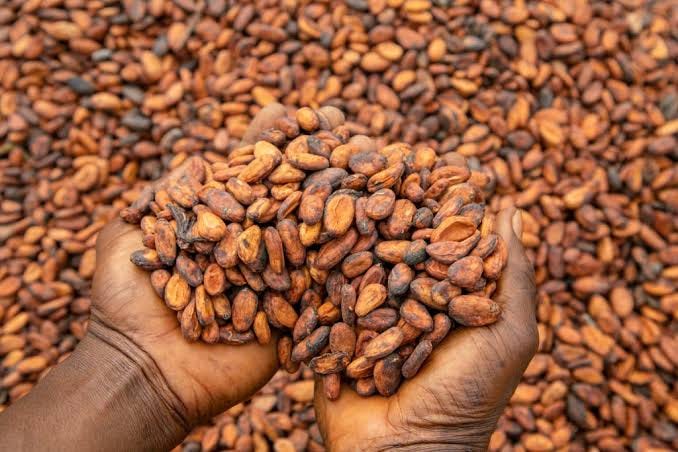
Cocoa was once Nigeria’s leading agricultural export. In the 1960s and 1970s, it earned more foreign exchange than any other crop. The oil boom changed that. Successive governments neglected agriculture. Plantations aged. Farmers abandoned farms for cities. Nigeria fell behind Côte d’Ivoire and Ghana. It remains a top-five global producer, but its share of global value has shrunk. The country exports raw beans and imports chocolate. Africa produces about 70% of the world’s cocoa but earns a small share of the $130 billion chocolate industry. The current surge reflects renewed demand and higher global prices. It also reflects a policy shift.
The spike comes as the Federal Government pushes for local processing. In July, President Bola Tinubu announced plans to end raw cocoa bean exports. He argued that Nigeria should not ship unprocessed produce abroad while importing finished products. He spoke at the Cocoa Value Addition Summit 2026 in Abuja. He was represented by the Minister of Agriculture and Food Security, Abubakar Kyari. The summit theme was “From Bean to Brand: The Bean in My Hand, The Brand in Our Future.” Kyari said the government wants to retain more of the wealth generated from cocoa within Nigeria. The strategy includes local processing, industrialisation and value addition. The export figures show that demand for Nigerian beans is strong. They also show how much value is lost when the beans leave raw. A processed cocoa product earns multiples of the raw bean price. Nigeria captures only the first step.
Winners: Cocoa farmers, if farmgate prices rise. Exporters, who gain revenue. The Federal Government, which gains foreign exchange. The US Mission, which highlights the opportunity. Losers: Local processors, who compete with exporters for beans. Chocolate importers, if raw exports are restricted. Farmers who cannot access the export market. The economy, if value addition stalls.
Bottom Line: Cocoa exports rose 554%. That is a strong number. It reflects demand, not strategy. The real money is in processing. Until Nigeria grinds, blends and brands its own cocoa, the biggest gains will remain abroad.