


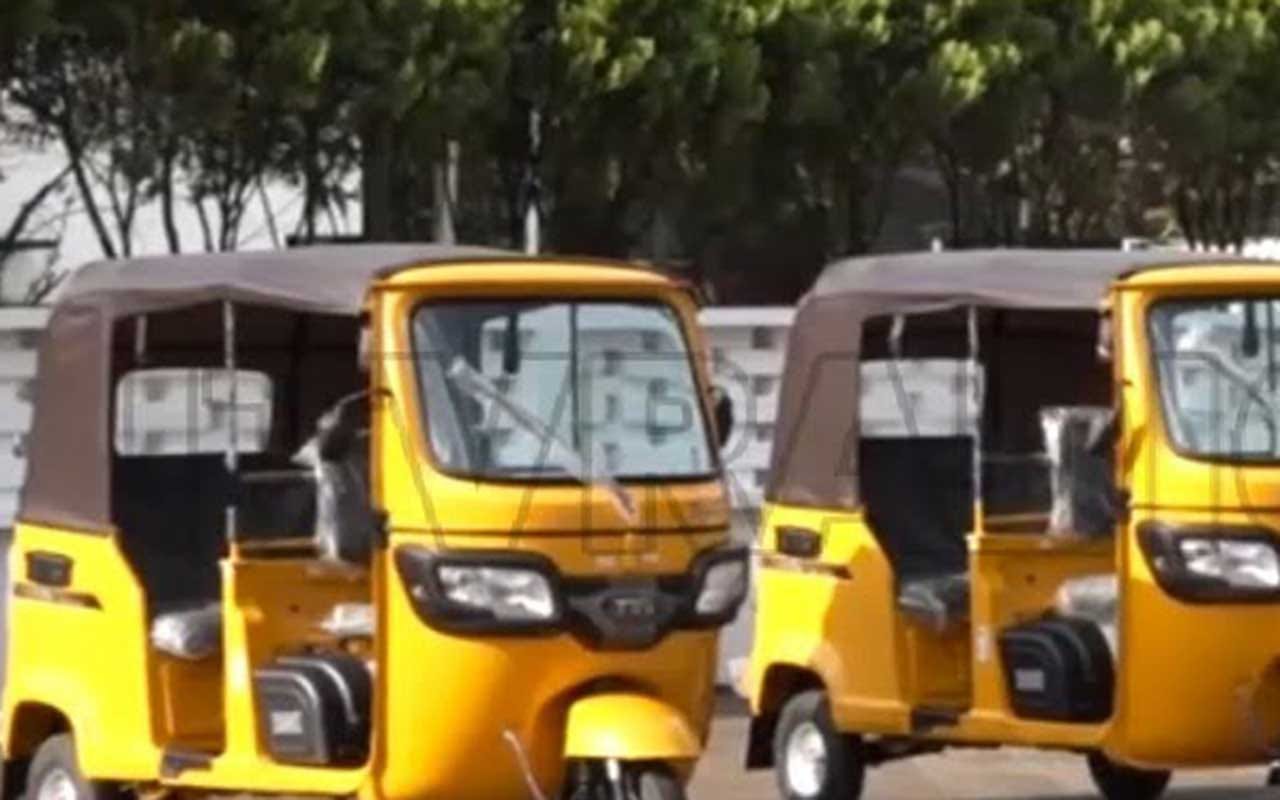
The National Union of Road Transport Workers (NURTW) has praised President Bola Tinubu’s Compressed Natural Gas (CNG) initiative. Alhaji Abiola Azeez, a NURTW state executive member and zonal chairman of Zone C TOOAN, said a tricycle operator now spends between ₦3,500 and ₦4,000 daily on CNG, compared with ₦15,000 to ₦17,000 on petrol. That is a saving of roughly 75%.
Nigeria has discussed gas as a transport fuel for decades. The Nigerian Gas Master Plan of 2008 identified CNG as a priority. Previous administrations promised conversion targets and infrastructure rollouts. Most never materialised. The current push differs in scale: the government has deployed 655 CNG-powered buses and 5,123 CNG tricycles, secured $2 billion in investment, and set an October 1 target to reduce transport fares.
The cost difference is the headline. For a tricycle rider earning perhaps ₦20,000 a day, fuel costs of ₦17,000 leave almost nothing. At ₦4,000, the margin becomes survivable. The union has also launched a quarterly safety monitoring programme across Lagos, inspecting commercial vehicles and providing tyres, mirrors, wipers and engine oil to operators whose vehicles need repairs.
The savings are real but incomplete. CNG stations remain scarce. Queues are common. A driver in a state without a CNG station cannot access the fuel at any price. The government has announced a 15-station network in Lagos and an Abuja hub capable of servicing 1,000 cars, tricycles and 50 trucks and buses daily. That is a start, not a national grid. Conversion costs, even with a 50% reduction, remain a barrier for operators who live hand to mouth. The programme’s success depends on whether the infrastructure reaches the riders who need it most.
There is also a political dimension. Abiola used the safety monitoring exercise to urge beneficiaries to support Tinubu and Lagos Deputy Governor Obafemi Hamzat in the 2027 elections. The CNG initiative is being framed as a campaign deliverable. That framing may help it survive politically. It may also make it vulnerable if the government changes.
Winners: Tricycle operators who have access to CNG stations, who see fuel costs fall by 75%. Commuters, if lower operating costs translate to lower fares. The Federal Government, which gains a visible policy win. CNG conversion companies and station operators. Losers: Petrol stations, which lose tricycle customers. Operators in states without CNG infrastructure, who are locked out. Taxpayers, if the $2 billion investment carries hidden subsidies. The government, if CNG scarcity and queues erode public confidence before October.
Bottom Line: ₦17,000 to ₦4,000 is a life-changing saving. It only matters if the rider can find a CNG station.