


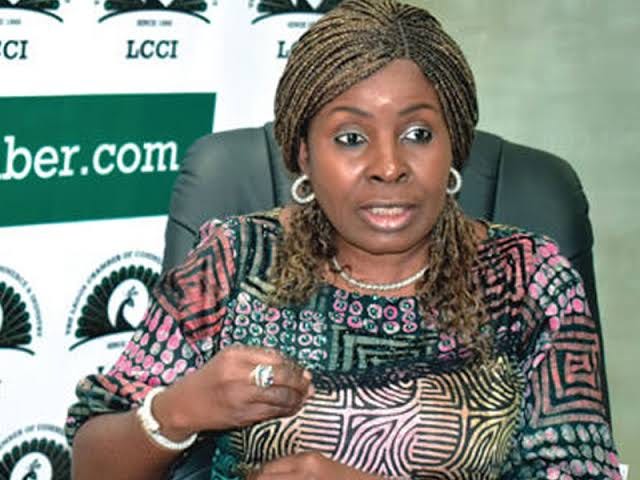
Business leaders at the Chamber of Commerce have called for urgent policy interventions to curb inflation and reduce high business operating expenses. The demand is not new. It is also not being met. Nigerian businesses face high energy costs, expensive credit, multiple taxation and a weakening naira. Each raises the cost of producing goods.
The mechanics matter. Inflation in Nigeria is not only a monetary phenomenon. It is a logistics and energy phenomenon. A manufacturer who spends a third of revenue on diesel and another slice on generator maintenance is already paying an inflation tax before the CBN sets a rate. Interest rates near 26.5% add another layer. The Chamber’s call reflects the arithmetic that businesses live with daily.
This mirrors the 2016 recession, when manufacturers cut output because they could not source foreign exchange. It also echoes the 2020 pandemic, when supply chain disruptions pushed costs higher. The difference now is that inflation is more persistent and the policy response is tighter.
The winners are the Chamber, which gains a public platform; large firms that can absorb costs; and importers who can pass costs to consumers. The losers are small businesses that cannot absorb costs; workers whose wages lag inflation; and consumers who pay higher prices.
Winners: The Chamber; large firms; importers.
Losers: Small businesses; workers; consumers.
Bottom Line: Calling for lower inflation is easy. Reducing energy costs, credit costs and multiple taxation is the work that businesses actually need.