


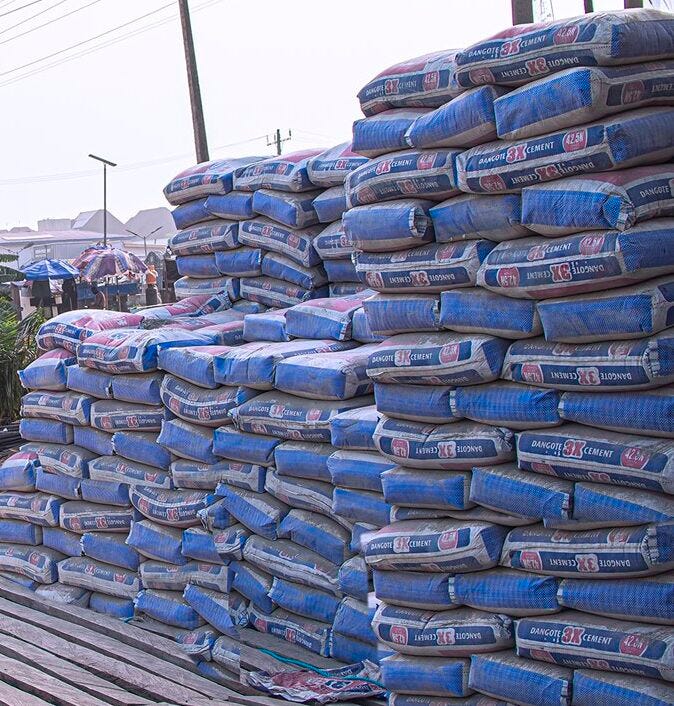
Building sector operators warned that rapid price spikes, with 50kg bags of cement surpassing ₦15,000 in key markets, are severely inflating construction costs, property values and rental prices across Nigeria. The price of cement has been on a steady upward trajectory, driven by a combination of high production costs, energy prices and demand pressures.
The increase in cement prices is a significant blow to the construction sector. Builders and developers are struggling to absorb the higher costs, and the increase is being passed on to consumers in the form of higher property prices and rents. For a family in Lagos, the rising cost of cement means that the dream of owning a home is becoming increasingly distant. For a small business owner, it means higher rent and operating costs.
This echoes the 2020 cement price hikes, which also saw costs surge. The mechanism then was different, but the result was the same: a construction sector under pressure.
The winners: cement manufacturers, who are benefiting from higher prices; and the Nigerian government, which collects taxes on cement sales. The losers: homebuyers and renters, who face higher costs; and the construction sector, which is under pressure.
Bottom Line: Cement prices have hit ₦15,000 per bag. Construction costs are rising. The question is whether the government will intervene or let the market determine prices.