


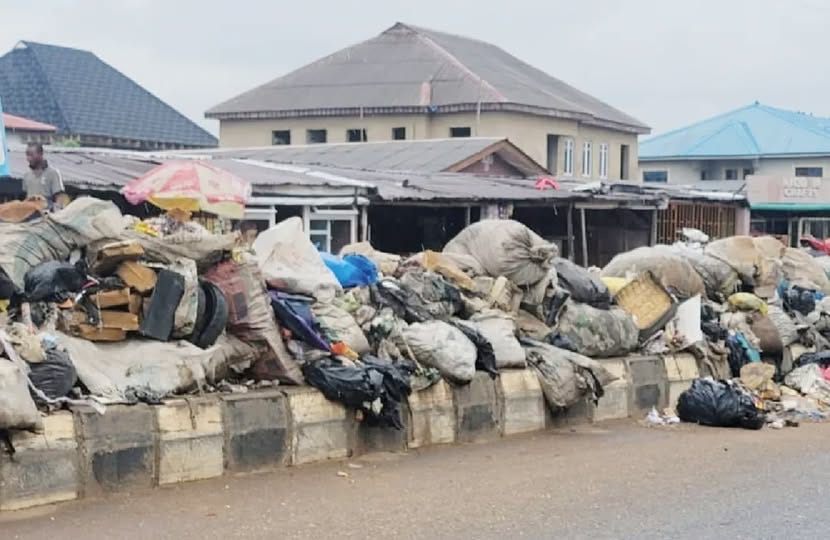
Residents in Mushin and other Lagos areas are angry. Trash mounds are growing on Cele Bridge. They blame poor collection services. They want LAWMA and local councils to act. The piles attract rodents. They block drains. They cause floods. The stench is unbearable. Commuters hold their noses. Traders lose customers. The bridge has become a dump.
Lagos has a waste problem that spans decades. The city generates over 13,000 tonnes of refuse daily. Only a fraction is collected properly. Olusosun landfill, one of Africa’s largest, has burned repeatedly. In 2018, the state launched the Cleaner Lagos Initiative. It promised reform. It delivered controversy. In 2020, residents protested against waste piles in Surulere and Yaba. The pattern repeats because the system cannot keep up. Population grows. Waste grows. Infrastructure lags.
The Cele Bridge piles are the latest flashpoint. Residents say collection trucks rarely come. They dump refuse in the open. The bridge spans a busy area. When it rains, the trash blocks drainage. Water rises. Cars stall. Pedestrians wade through filth. Governor Babajide Sanwo-Olu has declared a limited state of emergency on waste. The state is adding trucks and temporary sites. LAWMA says it is ramping up pickups. It urges residents to stop illegal dumping. The agency says better habits will break the cycle. Residents are sceptical. They have heard promises before.
The health risks are real. Rodents carry disease. Blocked drains breed mosquitoes. Floodwater mixes with sewage. Children play near the piles. Traders sell food beside them. The state’s emergency response may help. It does not address the root cause. Lagos needs more collection capacity. It needs enforcement against dumping. It needs residents to change behaviour. All three are missing.
Winners: Private waste contractors, who gain emergency contracts. LAWMA, if it clears the bridge. Health officials, if disease is prevented. Politicians, who can claim action. Losers: Residents, who face health risks and floods. Commuters, who face delays. Traders, who lose business. Taxpayers, if emergency funds are mismanaged. The environment, which absorbs the waste.
Bottom Line: Trash on Cele Bridge is a symptom. Lagos generates more waste than it can collect. The state of emergency is a start. Without enforcement and better habits, the piles will return.