


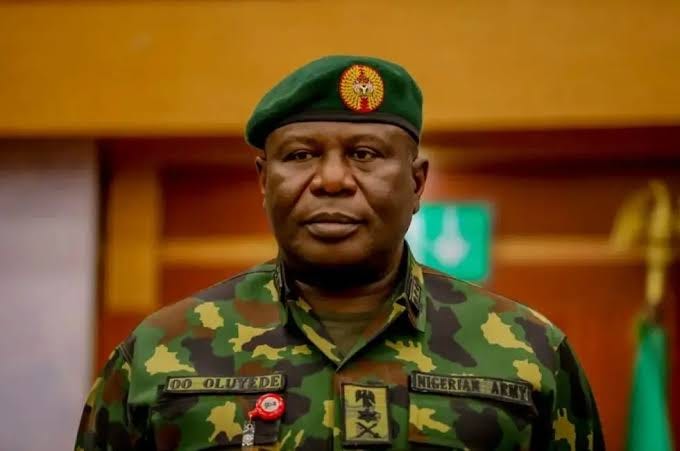
The Chief of Defence Staff, General Olufemi Oluyede, has directed the Armed Forces of Nigeria to integrate artificial intelligence, automated threat detection and drone surveillance. The directive targets the country’s evolving security risks. It signals a shift from manpower-heavy operations to technology-driven warfare.
Nigeria’s military has used drones for years, mostly for surveillance. The Air Force operates CH-3 and Wing Loong drones acquired from China and Turkey. In 2021, the Army deployed drones against bandits in the northwest. In 2023, the Navy used unmanned systems for maritime patrol. The current directive goes further. It calls for AI integration and automated threat detection. That means machines analysing data faster than human operators. The military has the platforms. It lacks the trained personnel and data infrastructure to exploit them fully.
Oluyede’s directive covers multiple fronts. AI would process intelligence from drones, satellites and ground sensors. Automated threat detection would flag anomalies in real time. Drone surveillance would expand coverage of forests, borders and highways. The military faces simultaneous threats: Boko Haram and ISWAP in the northeast, bandits in the northwest, separatists in the southeast, and oil theft in the Niger Delta. Manpower alone cannot cover that ground. Technology could multiply the force.
The obstacles are practical. AI requires data. The military’s data is fragmented across services. It requires connectivity. Many forward operating bases lack reliable internet. It requires trained operators. Nigeria has few specialists in military AI. It also requires procurement. The 2026 defence budget is stretched. Acquisitions compete with salaries and operations.
There is also the question of accountability. Automated threat detection can produce errors. Drone strikes have killed civilians in the northeast. AI-driven targeting raises the same risks. Without clear rules of engagement, technology can worsen civilian harm.
Winners: Defence contractors, local and foreign, who supply drones and AI systems. Tech firms partnering with the military. The Armed Forces, if integration improves response times. Soldiers in high-risk areas, if drones replace foot patrols. Losers: Civilians in conflict zones, if automated systems misidentify targets. Military personnel without tech skills, who may be sidelined. The defence budget, which must absorb new costs. Taxpayers, if procurement is opaque. Nigeria, if the technology is deployed without safeguards.
Bottom Line: AI and drones can extend the military’s reach. They cannot replace judgment. Nigeria needs procurement transparency, trained operators and rules of engagement. Without them, the technology will be expensive and dangerous.