


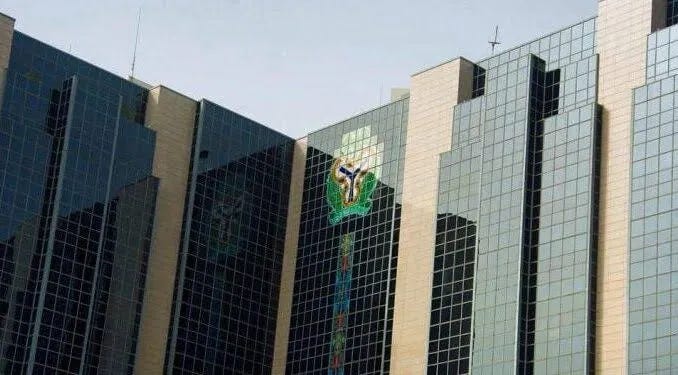
Monetary authorities face a policy dilemma: cut interest rates to lower borrowing costs for local manufacturers, or maintain high rates (MPR at 26.5%) to preserve yields for foreign portfolio investors. The high-interest-rate environment has been a key factor in attracting foreign portfolio investment, but it has also made borrowing prohibitively expensive for local businesses.
The dilemma reflects the tension between stimulating economic growth and maintaining macroeconomic stability. A rate cut would reduce borrowing costs for manufacturers, potentially boosting production and job creation. However, it could also trigger capital outflows, weaken the naira and reignite inflation. The CBN must weigh the competing demands of growth and stability. The decision will have far-reaching implications for the Nigerian economy and its citizens' welfare.
This echoes the 2018 monetary policy dilemma, when the CBN also struggled to balance growth and stability. The mechanism was different then, but the result was the same: a central bank caught between competing priorities.
The winners: manufacturers, if rates are cut; and foreign investors, if rates remain high. The losers: the Nigerian economy, which must bear the consequences of the decision; and the Nigerian public, who are caught in the middle.
Bottom Line: The CBN is caught between a rock and a hard place. The question is whether it will prioritise growth or stability.