


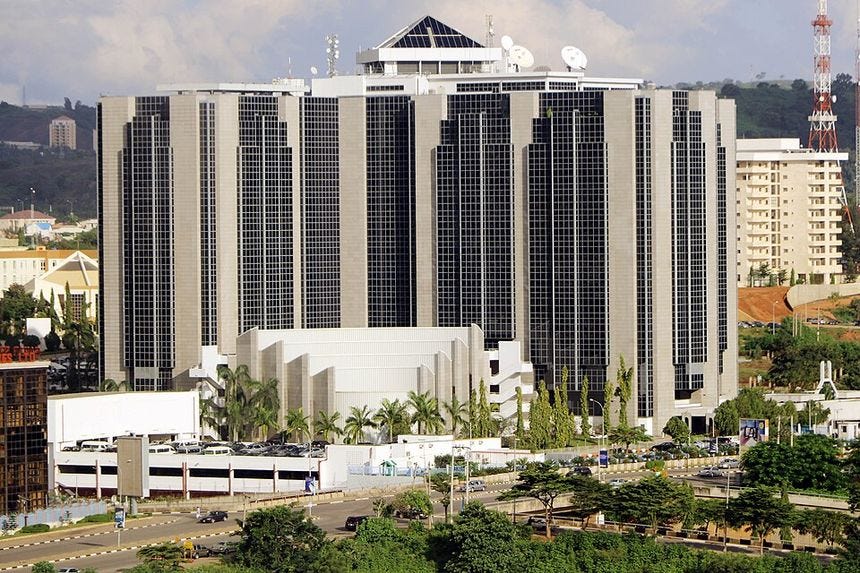
The Central Bank of Nigeria (CBN) has temporarily increased the weekly dollar purchase limit for licensed Bureau de Change (BDC) operators from $150,000 to $1 million.
The new arrangement, which takes effect on Wednesday, 25 November, is intended to address seasonal demand pressures and improve access to physical dollars for end users.
Under the previous arrangement introduced in February 2026, each licensed BDC could purchase up to $150,000 weekly through authorised dealer banks. However, operators could receive only 25 per cent of their allocation in physical cash. The remaining 75 per cent was settled electronically.
The revised directive allows approved operators to receive up to 100 per cent of their approved purchases in dollar notes. This means an operator accessing the full $1 million allocation can now receive the entire amount in cash.
The CBN communicated the change to banks in an email dated 24 November. It also pledged to provide authorised dealer banks with additional dollar cash where necessary to meet requests from their BDC customers.
The new arrangement does not remove existing regulatory controls. Only licensed BDCs can participate, and transactions must pass through the CBN’s foreign-exchange purchase tracker. Banks must verify requests, while settlements will operate on a two-business-day basis.
Know Your Customer and customer due diligence requirements remain in force. Third-party transactions are prohibited, and BDCs must return unused foreign exchange within 24 hours after the permitted utilisation period.
The adjustment comes as demand for foreign currency typically increases towards the end of the year. Travellers, businesses and individuals making legitimate foreign payments often require physical dollars, placing additional pressure on the retail market.
The potential winners include licensed BDC operators, travellers, small businesses and other end users who need physical foreign currency. Banks may also benefit from increased transaction activity. However, the naira’s performance will depend on whether the additional supply reaches genuine users and reduces pressure in the parallel market. Operators who breach the CBN’s rules risk regulatory sanctions.
The increase is substantial, but it does not automatically guarantee a stronger naira. Its impact will depend on the volume of dollars actually supplied, how operators distribute them and whether the measure narrows the gap between official and parallel-market rates.
Bottom Line: More dollars through licensed BDCs could ease retail foreign-exchange shortages, but effective monitoring and transparent distribution will determine whether the naira benefits.