


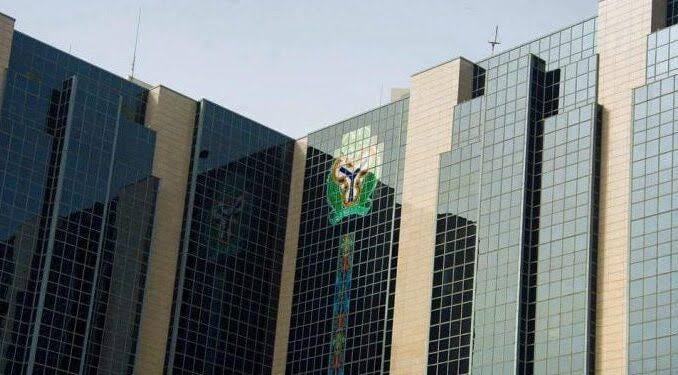
Nigeria’s banking system liquidity plunged by 36.8% to ₦2.55 trillion following the Central Bank of Nigeria’s (CBN) settlement of its midweek Treasury bills auction. The auction drew ₦3.62 trillion in total investor subscriptions, leading the CBN to allot ₦1.25 trillion across standard tenors and driving short-term interbank overnight lending rates up to 22.35%.
The auction reflects the CBN’s continued efforts to manage liquidity and support monetary policy transmission. The high subscription level suggests strong demand for government securities, while the sharp increase in overnight lending rates indicates that the banking system is tightening.
For businesses and consumers, the tightening liquidity means higher borrowing costs. The overnight lending rate of 22.35% is a significant increase, and it will likely be passed on to borrowers. The CBN’s liquidity management is a balancing act between controlling inflation and supporting economic growth.
This echoes the 2023 liquidity tightening, which also saw overnight rates spike. The mechanism then was different, but the result was the same: a CBN managing liquidity to support monetary policy.
The winners: the CBN, which has managed liquidity; and investors who purchased Treasury Bills. The losers: businesses and consumers, who face higher borrowing costs; and the Nigerian economy, which faces tighter financial conditions.
Bottom Line: Liquidity has plunged 36.8% to ₦2.55 trillion. Overnight rates are at 22.35%. The CBN is tightening. The question is whether the economy can withstand the pressure.