


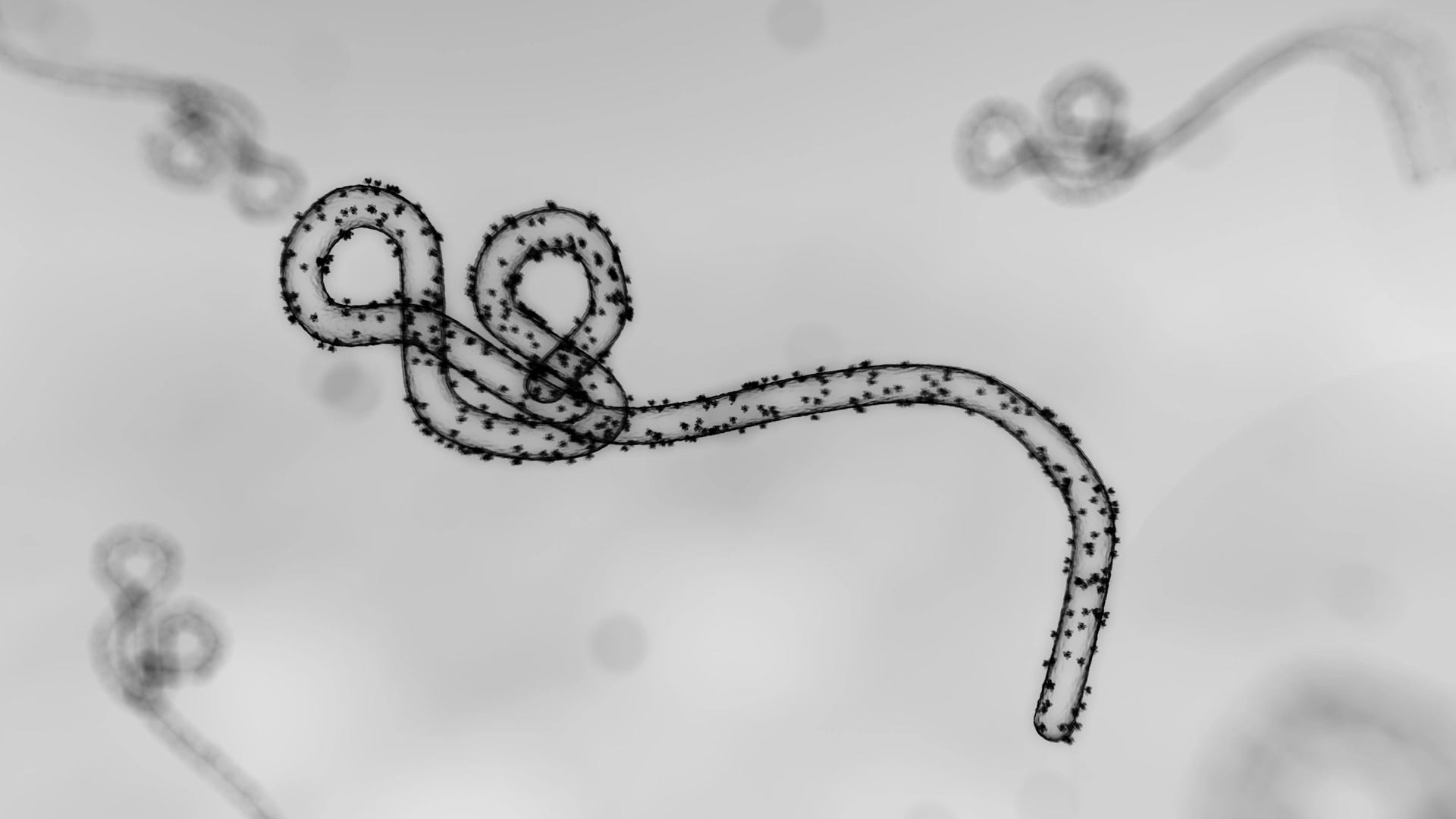
The Bundibugyo virus disease (BVD) outbreak continues to worsen in the Democratic Republic of the Congo (DRC). Confirmed cases have risen to 1,460, and deaths have reached 452 as of July 1, according to the World Health Organisation (WHO). WHO said the outbreak remains active in 21 health zones, with Ituri Province accounting for more than 90 percent of all infections.
The increase in reported cases has been partly attributed to expanded surveillance and testing. More than 10,800 contacts are currently under monitoring. In neighbouring Uganda, authorities have confirmed 20 cases, including two deaths, with no new infections reported since June 21. The outbreak there remains linked to imported cases from the DRC.
France confirmed one imported case involving a doctor who returned from eastern DRC after treating patients. WHO said the patient was isolated immediately, while contact tracing is underway in both France and the DRC to prevent further spread.
The Nigerian stake is urgent. Nigeria’s public health surveillance systems are weak. The country’s borders are porous. The 2014 Ebola outbreak showed how quickly a virus can spread across West Africa. The Bundibugyo virus is not Ebola, but it is a viral haemorrhagic fever with similar transmission patterns. If the virus reaches Nigeria, the consequences could be severe.
The pattern echoes the 2014 Ebola epidemic, when the virus spread from Guinea to Liberia, Sierra Leone and Nigeria. The outbreak claimed over 11,000 lives across West Africa before it was contained. Nigeria recorded 20 confirmed cases and eight deaths. The lesson was clear: Nigeria is not immune to regional outbreaks. Yet the country’s health surveillance systems remain underfunded.
The winners: none. The losers: the 1,460 confirmed cases and 452 families who lost loved ones, and Nigeria, which has not yet learned the lessons of 2014.
Bottom Line: A viral haemorrhagic fever is spreading in DRC. Uganda and France have imported cases. Nigeria’s borders are open. The clock is ticking.