


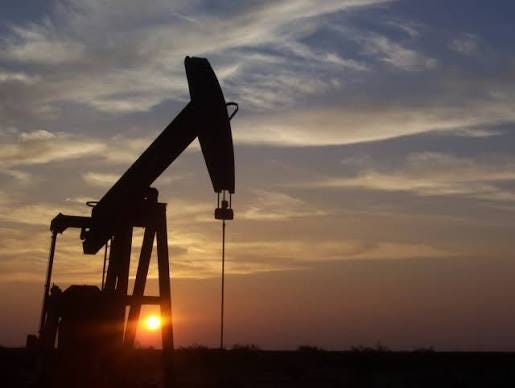
Brent crude, the global oil benchmark, rose 5.38% to $95.36 per barrel on Tuesday, while US West Texas Intermediate (WTI) climbed 5.95% to $90.86. The gains pushed both benchmarks to their highest levels since late July. The rally was driven by concerns over possible supply disruptions in the Middle East following renewed military attacks between the United States and Iran. The US launched fresh air strikes on Iranian targets after Iran fired missiles at two US bases in Jordan.
US President Donald Trump has also threatened further strikes and said new sanctions on Iran were having a significant impact. The renewed tensions have heightened concerns over oil supplies, particularly around the Strait of Hormuz, a key global oil shipping route. In Nigeria, higher international crude prices have contributed to petrol prices rising above ₦1,300 per litre.
The escalation in the Middle East is a reminder of Nigeria’s vulnerability to global oil price shocks. Higher crude prices boost government revenue, but they also increase the cost of imported fuel, which feeds into inflation. For a commercial driver in Lagos, the rise in petrol prices means higher operating costs, which will likely be passed on to passengers. For a family in Kano, it means higher transport costs and more expensive food.
The winners: oil-exporting countries, including Nigeria, which earn more from crude sales; and the Nigerian government, which collects taxes on fuel sales. The losers: Nigerian consumers, who face higher fuel prices; and the Nigerian economy, which suffers from higher inflation.
Bottom Line: Brent crude has jumped to $95.36. The Middle East is on edge. The question is whether the tensions will escalate or ease.