


Nollywood actress Bimbo Ademoye has offered ₦1 million for information leading to the person behind a copyright claim on her YouTube film, “My 30th Wedding”. YouTube flagged the video for containing copyright-protected audio. Ademoye said the song was made for her and that she owns it. She announced the bounty on her social media pages.
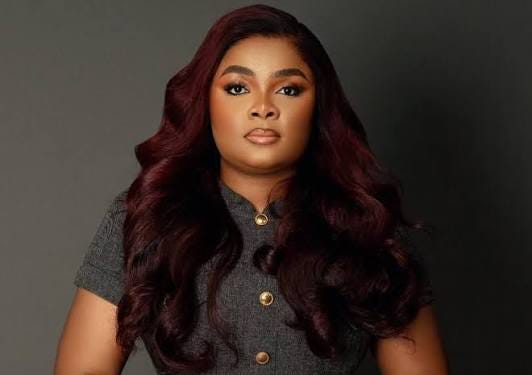
“I am sick and tired of this,” she wrote. “I have N1 million for anyone who can locate this person for me.” She said she spent her blood on the film, and that the claimant registered the song three weeks ago, deliberately targeting her to divert revenue. She asked followers to report the account and called on YouTube to act.
The mechanics matter more than the outrage. YouTube’s system pays a claimant first and asks questions later. A rights holder files a claim, the platform diverts the revenue, and the creator must appeal through a dispute process that moves at the speed of a support ticket. For a creator with a back catalogue, that is manageable. For a filmmaker who has just released, it is a cash-flow ambush.
The precedent is Alaba market. In the 1990s and 2000s, pirates duplicated cassettes and CDs before legitimate copies reached the shelves. Nollywood responded with volume and speed, not lawyers, because the law was slow and enforcement was slower. The Copyright Act of 2022 gave the commission stronger powers. It did not give creators a fast way to recover money already taken.
A ₦1 million bounty is a private enforcement mechanism. It works because Ademoye has an audience, which is the same reason the claim targeted her. Most Nigerian creators do not have either.
Winners: Whoever claims the bounty. YouTube, which loses nothing either way. Losers: The claimant, if identified. Smaller creators, who cannot fund a bounty.
Bottom Line: Copyright enforcement in Nigeria still runs on a creator’s personal resources. A bounty is not a policy.