


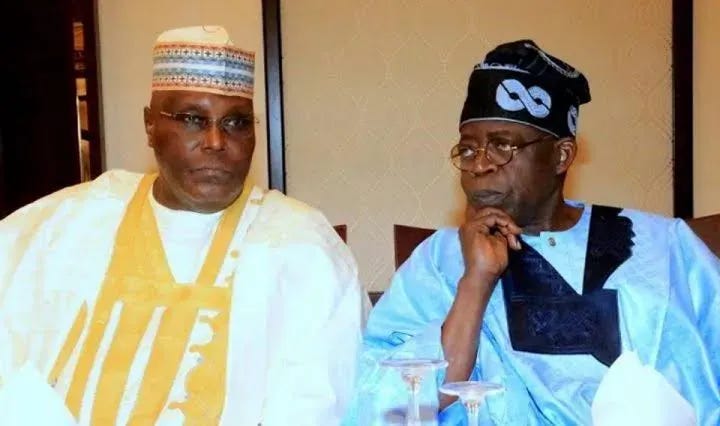
Former Vice President Atiku Abubakar has challenged President Bola Tinubu over his absence from the United Nations General Assembly. Tinubu has skipped the summit for three consecutive years, from 2024 to 2026. Atiku argued that delegating the presidency’s seat on the global diplomatic stage hurts foreign investment attraction. Vice President Kashim Shettima is leading Nigeria’s delegation to the 81st UNGA in New York. He is accompanied by Foreign Affairs Minister Bianca Odumegwu-Ojukwu and several state governors.
Nigerian presidents have attended UNGA with varying frequency. Olusegun Obasanjo attended regularly during his eight years. Umaru Yar’Adua attended twice before his illness. Goodluck Jonathan attended annually. Muhammadu Buhari attended most years, though he skipped 2019. Tinubu attended in 2023, his first year. He has not returned since. The tradition matters because UNGA is the one forum where every head of state gets equal billing. Absence is read as disinterest.
Ambassador Jimoh Ibrahim confirmed the delegation composition. He assured citizens that Nigeria maintains full representation. The president remains on leave in France. That detail complicates the official explanation. If the president is well enough to travel to France, the question of why he cannot travel to New York becomes harder to answer.
Atiku’s criticism is not new. He has questioned Tinubu’s foreign engagements before. His argument is economic. Foreign investors watch UNGA for signals. A president who attends signals that Nigeria is open for business. A delegation led by the vice president signals lower priority. That interpretation may be unfair. It is also how markets and diplomats read these things.
The counter-argument is practical. Vice presidents attend UNGA in many countries. The delegation includes the foreign minister and governors. Substantive meetings happen at ministerial level. The president’s presence is symbolic. Symbols matter in diplomacy, but they are not the whole picture.
The political context is 2027. Atiku is the ADC presidential candidate. Every criticism of Tinubu is also campaign material. His UNGA argument is aimed at voters who care about Nigeria’s global standing and the economy. Whether it lands depends on whether Nigerians see the absence as consequential.
Winners: Shettima, who gains a high-profile diplomatic role. The foreign minister, who gets visibility. Atiku, who gains a campaign talking point. Diplomats who prefer predictable engagement. Losers: Tinubu, whose absence invites criticism. The presidency, which must explain the optics. Nigeria’s diplomatic brand, if the absence is read as disinterest. Foreign investors, who receive weaker signals.
Bottom Line: Three years without a presidential UNGA appearance is a pattern, not an accident. Shettima can hold the seat. He cannot replace the signal. Atiku is campaigning. He is also raising a fair question. Nigeria should answer it.