


The Academic Staff Union of Universities has asked President Bola Tinubu to order the immediate payment of three and a half months of salaries withheld from its members after the 2022 nationwide strike. The union’s National Executive Council met on 13 and 14 November at the University of Abuja and issued a statement on Thursday declaring that its members are “no beggars” and “not slaves.” Former President Muhammadu Buhari’s administration seized seven and a half months of pay over the 2022 industrial action. Half of that has been paid. The other half remains outstanding. ASUU said the continued withholding punishes lecturers for suspending the strike, which the union did in good faith.
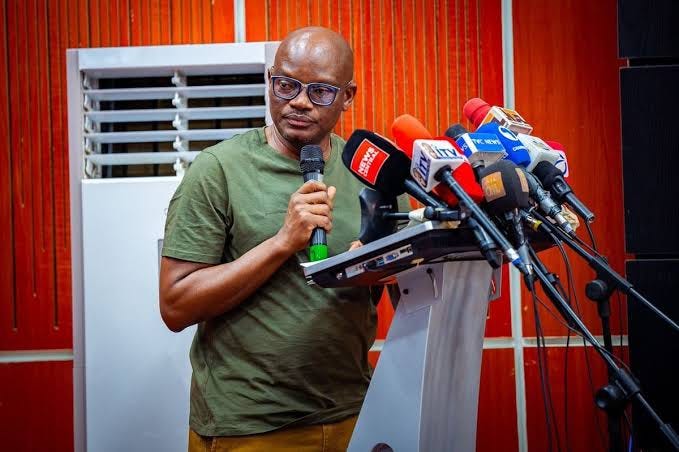
The mechanics of the dispute are a case study in how a labour action becomes a fiscal weapon. The 2022 strike lasted eight months. The government’s response was to withhold pay, a decision that treated the withheld salary as a penalty rather than a debt. When the strike ended, the penalty was supposed to end with it. It did not. The remaining three and a half months have become a permanent feature of the federal payroll’s unresolved liabilities.
This echoes the 2013 ASUU strike, when the government similarly withheld pay and then negotiated a partial release. It also mirrors the broader pattern of Nigerian labour disputes being settled in principle and abandoned in practice, with the arrears left to accumulate.
The winners are the Ministry of Finance, which has held the cash for four years, and the university administrators who are not the target of the union’s anger. The losers are the lecturers who worked through the period and are still owed, and the students whose education was disrupted twice, once by the strike and once by the underfunding that caused it.
Bottom Line: A withheld salary is not a penalty. It is a debt, and the government should pay it.