


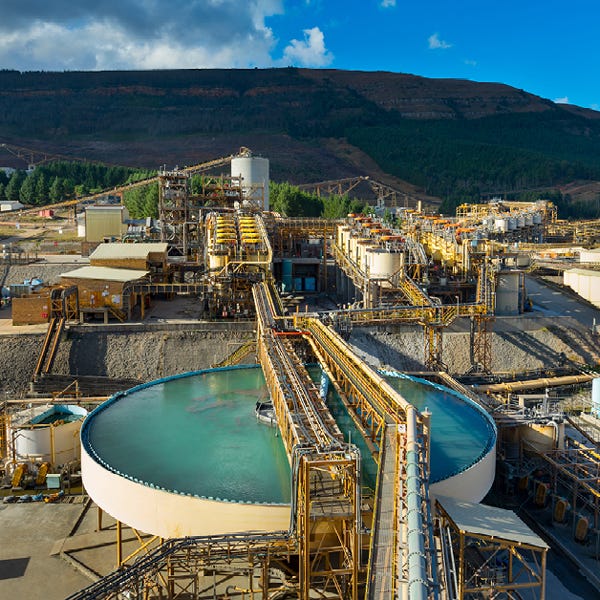
African Rainbow Minerals (ARM) has approved a phased investment of 15.2 billion rand ($927 million) to expand its Bokoni platinum group metals (PGM) operations and restart nickel mining at the Nkomati mine. The South African miner said the Bokoni expansion will include a new concentrator with a capacity of 120,000 metric tonnes per month, alongside the refurbishment of the existing 60,000-tonne plant. The new facility is expected to begin operations in 2030, with Bokoni reaching full production by 2032 and annual output of between 350,000 and 400,000 ounces of PGMs.
ARM said it remains optimistic about long-term demand for PGMs despite the growing adoption of electric vehicles. The company also plans to invest $46 million to resume nickel production at Nkomati after securing a conditional off-take agreement with Swedish miner Boliden. The mine has been idle since 2021 due to financial losses and weak nickel prices.
The investment is a vote of confidence in the long-term prospects of the PGM sector. While the growing adoption of electric vehicles has raised concerns about demand for PGMs, ARM believes that the transition will be gradual and that PGMs will remain in demand for catalytic converters and other applications.
The Nigerian stake is clear. Nigeria also has significant mineral resources, including gold, lithium and other critical minerals, but the country has struggled to attract large-scale investment in the mining sector. ARM’s investment in South Africa is a reminder of the sector's potential and the need for Nigeria to create an enabling environment for investment.
From a Nigerian vantage point, the ARM investment is a model and a warning. The model: a company investing billions in the mining sector. The warning: Nigeria’s mining sector remains underdeveloped, and the country is missing out on significant investment.
This echoes the 2010s mining sector reforms in South Africa, which attracted significant investment. The mechanism then was different, but the result was the same: a country benefiting from its mineral resources.
The winners: ARM, which is expanding its operations; and the South African economy, which benefits from investment. The losers: Nigeria, which is not attracting similar investment; and the Nigerian government, which must improve the investment climate for the mining sector.
Bottom Line: ARM is investing $927 million in PGM and nickel operations. South Africa is benefiting from its mining sector. Nigeria is still trying to figure out how to attract similar investment. The gap is widening.