


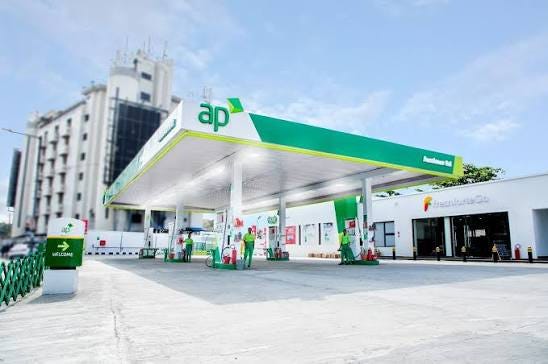
A consortium led by Ardova Plc and including Diadem Energy has agreed to acquire Powergas Global Investments Nigeria Limited and Powergas Ebedei Limited. The transaction, expected to close by the end of 2026, will see Danish investor A.P. Moller Capital exit its stake in one of Africa’s largest compressed natural gas producers.
Powergas, founded in 2013 by the Clean Energy Group, pioneered the “virtual pipeline” model. It compresses natural gas and transports it by road to industrial, commercial and power customers beyond Nigeria’s fixed pipeline grid. The flagship Ebedei flare gas monetisation project in Delta State, developed with A.P. Moller Capital’s backing since 2019, converts flared gas into usable energy. The company now operates four mother stations in Ikorodu, Ogbele, Ebedei and Ore, alongside a fleet of more than 250 tube skids. It has delivered over 600 million standard cubic metres of CNG as at December 2025.
For Ardova, the acquisition adds a strategic gas platform to its existing downstream portfolio. The Lagos-based company, which traces its roots to BP Nigeria in 1964, plans to deploy CNG infrastructure across its nationwide retail network. It targets 100 CNG refuelling sites within 24 months.
This mirrors the federal government’s Decade of Gas initiative launched in 2021, which aims to transform Nigeria into a gas-powered economy by 2030. President Tinubu’s Presidential Initiative on Compressed Natural Gas and Electric Vehicles seeks to lower transport costs and emissions by promoting auto-gas adoption.
Executive Chairman of Ardova Plc, Dr AbdulWasiu Sowami, said the combination would connect Nigeria’s gas resources to industry, power and transportation. Managing Director Dr Abiola Babatunde-Ojo said the focus was execution: expanding compression capacity, bringing CNG into the retail network and connecting industries to a reliable domestic energy source.
The strategic logic is clear. Nigeria flares billions of cubic metres of gas annually while relying on diesel generators and imported petrol. A domestic gas value chain reduces foreign exchange exposure, cuts emissions and lowers energy costs. But the model depends on infrastructure that does not yet exist at scale. Compressed gas is expensive to transport by road. The virtual pipeline works for industrial clusters near compression stations. Extending it to retail consumers requires a denser network of mother stations and daughter stations than Nigeria currently has.
Winners and Losers
Winners: Ardova, which gains a gas platform and aligns with federal policy. Diadem Energy, which gains a stake in established CNG infrastructure. Industrial customers, who gain access to cheaper, cleaner fuel.
Losers: Diesel marketers, who lose market share as CNG adoption grows. A.P. Moller Capital, which exits a mature investment. Nigerian consumers, who may not see immediate savings unless retail CNG infrastructure expands rapidly.
Bottom Line: Gas is Nigeria’s transition fuel. Ardova is building the distribution backbone. The question is whether the retail network follows