


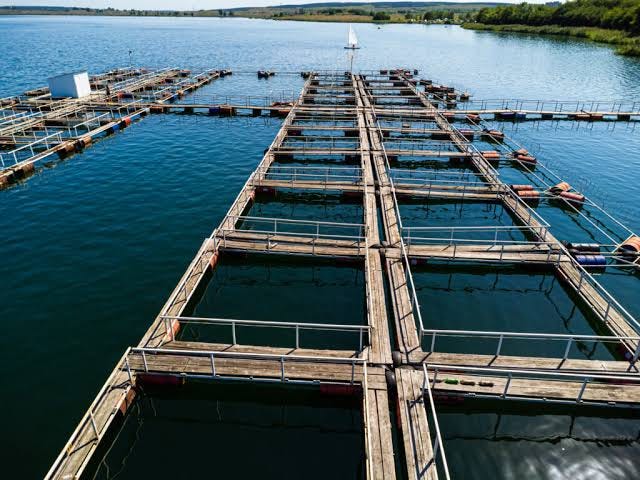
Ukachi Benita has introduced Aquamanne. The innovation is an AI-driven water quality monitoring system. It is designed for aquaculture operators. It helps prevent fish mortality and manage pond parameters. The system uses sensors and artificial intelligence to track water conditions in real time. It alerts operators to problems before they kill fish.
Nigeria’s aquaculture sector has grown rapidly. Fish farming provides protein and income. But it faces high mortality rates. Poor water quality is a leading cause. Farmers often lack monitoring tools. They rely on visual inspection. By the time they see a problem, fish are already dying. In 2022, the Nigerian Institute for Oceanography and Marine Research reported that poor water management caused significant losses. In 2024, the government promoted aquaculture as a food security priority. Technology adoption has been slow. Aquamanne aims to change that.
The system monitors parameters such as temperature, pH, dissolved oxygen and ammonia. These are critical for fish health. Sensors collect data. AI analyses it. The system sends alerts via mobile phone. Farmers can act quickly. The platform can also predict problems based on trends. That allows preventive action.
Aquamanne targets small and medium-scale fish farmers. These operators dominate the sector. They often cannot afford expensive monitoring equipment. The AI component reduces the need for manual analysis. The system’s cost has not been disclosed. Affordability will determine adoption. If the price is too high, the innovation will remain niche.
The developer, Ukachi Benita, is an innovator in agritech. The system was developed locally. That matters. Imported solutions are often too expensive and poorly suited to local conditions. A locally developed system can be adapted to Nigerian ponds and species.
The potential is significant. Nigeria imports large quantities of fish. Domestic production is insufficient. Reducing mortality would increase output. It would also improve farmer incomes. The system could be scaled to other African countries with similar aquaculture sectors.
The challenges are familiar. Power supply is unreliable. Sensors need electricity. Internet connectivity is uneven in rural areas. Farmers need training. The system requires maintenance. Aquamanne must address these constraints to succeed.
Winners: Fish farmers, who gain a monitoring tool. Ukachi Benita, who gains recognition. Consumers, if fish supply increases and prices fall. The aquaculture sector, which gains technology. Losers: Traditional monitoring methods, which become obsolete. Farmers who cannot afford the system. Importers of foreign monitoring equipment. The environment, if fish farming expands without regulation.
Bottom Line: Aquamanne is a smart solution to a real problem. Fish farmers lose money when ponds fail. AI can help them see trouble early. The innovation is welcome. Adoption depends on cost, power and training. If it works, it could boost Nigeria’s fish supply.