


Images have surfaced of more than 30 campaign-wrapped Jaecoo J7 SUVs bearing APC branding. The vehicles are estimated at ₦1.45 billion in total. Each unit costs between $32,000 and $36,000. Nigerians reacted with anger. Critics tied the purchases to funds freed by the fuel subsidy removal. They contrasted the fleet with households struggling to afford two meals a day. Some defended the vehicles as private donations. The party has not responded.
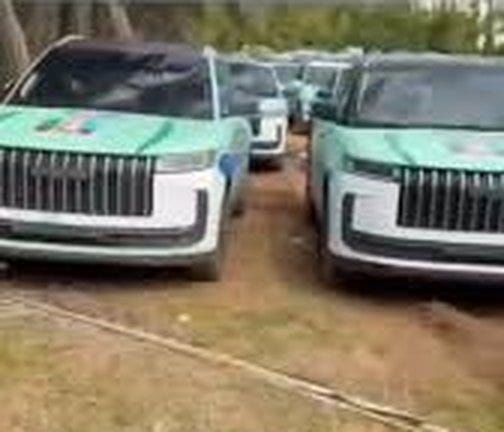
Campaign fleets are a fixture of Nigerian electioneering. In 2019, the APC and PDP distributed branded buses and pickups across states. In 2023, both parties spent heavily on convoys and logistics. The practice is not new. What has changed is vehicle prices and the visibility of the spending. Earlier this month, the APC National Youth Leader, Dayo Israel, presented Toyota Land Cruiser Prados, reportedly worth over ₦200 million each, to selected youth leaders for mobilisation. The Jaecoo fleet follows the same pattern.
The figure is the story. Thirty vehicles at $34,000 average is about $1.02 million, roughly ₦1.45 billion at current rates. That is more than 20,000 months of the ₦70,000 minimum wage. The APC says the vehicles aid mobilisation. The critics say the money comes from the same reforms that removed the subsidy and raised prices. Neither side has published the purchase records.
The defence that the vehicles were privately donated is plausible. Nigerian campaigns rely on donor fleets, fuel and logistics. But private donations to a ruling party are rarely documented. The public cannot verify the source. That gap is where suspicion thrives.
The political cost is real. The APC is asking voters to accept hardship as temporary. Each fleet photograph weakens that argument. The party’s opponents need not campaign on policy. They can simply show the cars.
Winners: The APC, if the fleet improves mobilisation. SUV dealers and importers. Campaign contractors. Losers: APC candidates defending austerity. Voters who cannot afford fuel for their own cars. Taxpayers, if public funds were used. The party’s reform narrative, which suffers with every luxury purchase. Youth members who received Prados but no jobs.
Bottom Line: Thirty SUVs cost ₦1.45 billion. The party calls it mobilisation. Voters call it insult. The source of the money is unknown. The contrast with hunger is undeniable. Until the APC publishes its campaign accounts, the fleet will remain evidence of what it thinks of the people it asks to endure.